
Buncombe County Family Court Records
Buncombe County family court records are filed and stored at the courthouse in Asheville. The Clerk of Superior Court keeps all case files for divorce, custody, child support, and protective orders. Buncombe County sits in the western mountains and has about 270,000 residents. You can search these records online or visit the clerk in person. The Buncombe County courthouse is the central point for all family law filings in the area. Staff at the clerk office can help you find the case you need and get copies of court documents.
Buncombe County Quick Facts
Buncombe County Clerk of Court
The Clerk of Superior Court in Buncombe County manages all family court records. This office handles new filings and stores old case files. You can get copies of divorce judgments, custody orders, and child support records here. The staff can search by name or case number.
The Buncombe County courthouse is at 60 Court Plaza in Asheville. All family law cases for the county are filed at this one location. That includes cases from Asheville, Black Mountain, Weaverville, and all other towns in Buncombe County. The clerk office is open on weekdays and closed on state holidays. Call ahead to check hours before you visit the Buncombe County courthouse. Bring a valid ID when you go. The clerk can look up records and print copies for you on the spot in most cases.
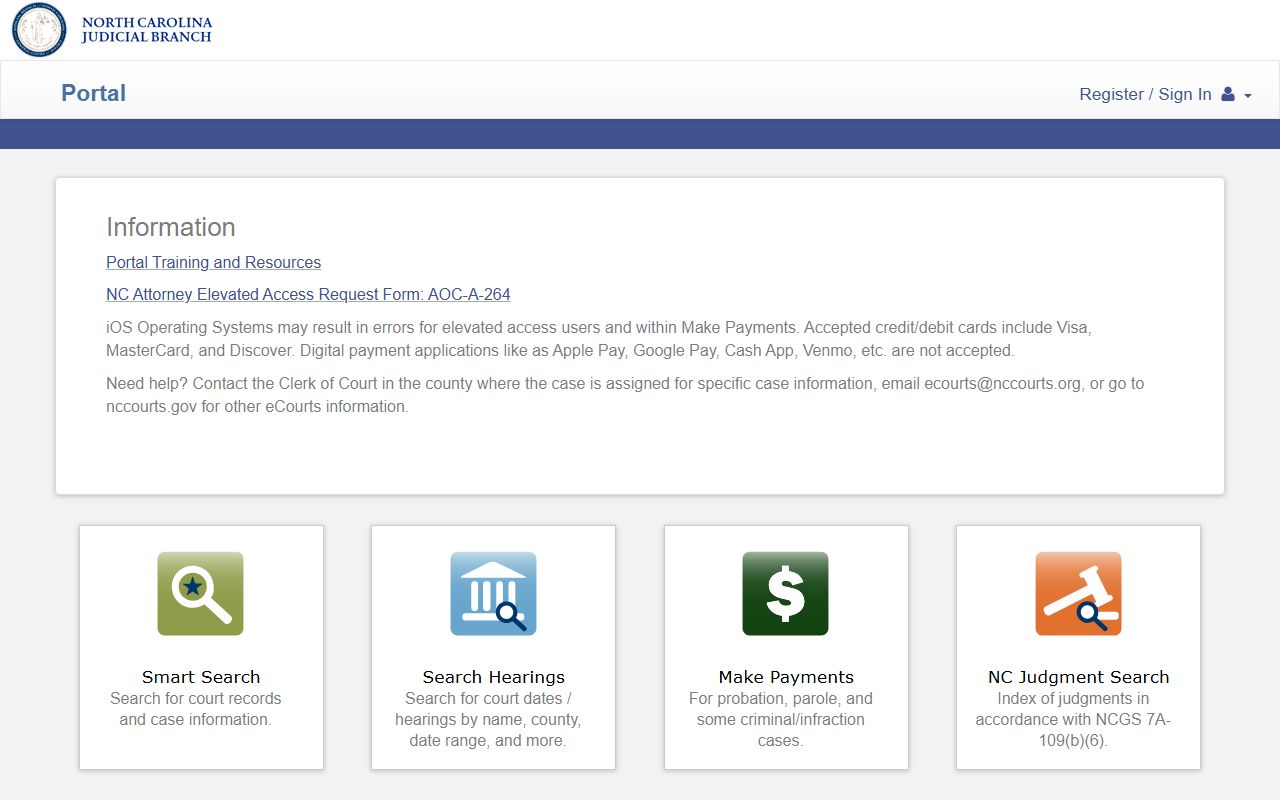
The Buncombe County eCourts portal provides a way to look up case details from your home. You can view the NC eCourts Portal to search for family court records in Buncombe County online.
| Court |
Buncombe County Clerk of Superior Court 60 Court Plaza Asheville, NC 28801 Phone: (828) 259-3400 |
|---|---|
| Hours | Monday through Friday, 8:00 AM to 5:00 PM |
| Website | nccourts.gov/locations/buncombe-county |
Searching Family Court Records in Buncombe County
There are two main ways to search family court records in Buncombe County. You can go online or visit the clerk office in person. Each method has its own benefits. Online searches are fast and free for basic case data. In-person visits let you see the full file and get certified copies right away.
The North Carolina eCourts system lets you search court records from any county. Type in a name or case number to find family court records from Buncombe County. The system shows case type, filing date, parties, and hearing dates. It does not show the full text of orders or agreements. For those, you need to contact the Buncombe County clerk or go to the courthouse in Asheville.
To search in person at the Buncombe County courthouse, bring the full name of a party in the case. The year of filing helps narrow results. A case number makes the search instant. Staff can pull the file and let you review it. You can then request copies of any document in the Buncombe County family court file.
Note: Some family court records in Buncombe County may be sealed or restricted, especially those involving juveniles or abuse claims.
Buncombe County Divorce Records
Divorce is one of the most common family court case types in Buncombe County. Under N.C.G.S. 50-6, a couple must live apart for one year before filing for absolute divorce. At least one spouse must have lived in North Carolina for six months under N.C.G.S. 50-8. If you live in Buncombe County, you file your divorce case at the Asheville courthouse. The complaint starts the case. The other spouse gets served. After that, the court can enter a judgment of divorce.
A Buncombe County divorce file typically has the complaint, answer, service documents, and final judgment. It may also have motions, financial affidavits, and settlement papers. The judgment is the key record most people need. It ends the marriage and is part of the public record.
Claims for equitable distribution under N.C.G.S. 50-20 and alimony must be filed before the divorce judgment. If not, those claims are lost. This is why many Buncombe County divorce cases include additional claims beyond the divorce itself.
Child Custody and Support in Buncombe County
Child custody cases are a large part of family court in Buncombe County. Parents file for custody when they cannot agree on where a child will live. The court decides based on what is best for the child. Buncombe County District Court judges hear all custody cases.
Child support is handled through the court as well. The NC Department of Health and Human Services runs the child support program. You can open a case through their office or file on your own in Buncombe County court. Support orders set a monthly payment amount based on both parents' income. The court can change the amount if circumstances shift. Buncombe County keeps records of all child support orders and modifications in the court file.
Note: Buncombe County family court records for custody and support may contain sensitive information about minors that is not available to the general public.
Protective Orders in Buncombe County
Domestic violence protective orders fall under Chapter 50B of North Carolina law. These are filed in Buncombe County District Court. A person who has been abused by a spouse, partner, or household member can ask the court for protection. The court can issue a temporary order the same day. A full hearing follows within ten days.
Buncombe County family court records include all protective order filings. The clerk keeps the petition, temporary order, and final order in the case file. These records show what happened, what the court ordered, and how long the order lasts. You can search for protective order cases through the clerk office in Asheville. The NC Courts family law page has more details on how these cases work across the state.
Accessing Buncombe County Court Files
Family court records in Buncombe County are public under the North Carolina Public Records Act, Chapter 132. You do not need to be a party to view most records. Anyone can ask to see a case file at the clerk office.
Some records have limits. Juvenile cases are not open to the public. Sealed records require a court order to access. Financial documents in some family cases may be restricted. But the bulk of family court records in Buncombe County are available to the public. You can get plain copies or certified copies. Certified copies cost more but carry the court seal. Many agencies require certified copies of Buncombe County family court records for official use.
The NC Courts guide on obtaining records explains the process in detail. It covers what you can get, how to ask, and what fees to expect when getting records from Buncombe County.
Family Law Help in Buncombe County
Legal Aid of North Carolina serves Buncombe County residents who need help with family court matters. They offer free legal assistance to those who qualify based on income. Call their helpline to ask about services for divorce, custody, or support cases in Buncombe County.
The NC Courts website has forms and instructions for people who want to handle a family court case on their own. Buncombe County also has resources at the courthouse for self-represented parties. Staff cannot give legal advice, but they can help with forms and filing steps.
The Buncombe County courthouse in Asheville is a busy court with many family law cases each year. Getting help early in the process can save time and stress. Whether you need a divorce, custody order, or protective order in Buncombe County, knowing where to find records and resources is the first step.
The North Carolina eCourts portal is a key tool for searching family court records across the state, including Buncombe County cases filed in District 28.
This portal gives you basic case details for free. For full documents, contact the Buncombe County clerk directly.
Nearby Counties
These counties border Buncombe County. If you are not sure which county handles your family court case, check the address where you live. You must file in the right county for the court to have jurisdiction.