
North Carolina Family Court Records
North Carolina family court records cover a wide range of legal matters handled in the District Court system across all 100 counties. These records include divorce cases, child custody orders, support filings, property division rulings, and protective orders. You can search family court records online through the state eCourts portal or visit a local clerk of court office. Whether you need to look up a specific case or find details on a past ruling, North Carolina provides several ways to access these court records from home or in person at any courthouse.
North Carolina Family Court Records Quick Facts
Where to Find NC Family Court Records
Family court records in North Carolina are kept by the Clerk of Superior Court in each county. The clerk holds the full case file for every family law matter filed there. These files cover divorce, child custody, child support, alimony, equitable distribution, and domestic violence protective orders. Each case file may hold the complaint, the response, motions, court orders, and the final judgment. You can visit the courthouse in person to view or copy these records. Staff can help you find what you need and make copies for a small fee per page.
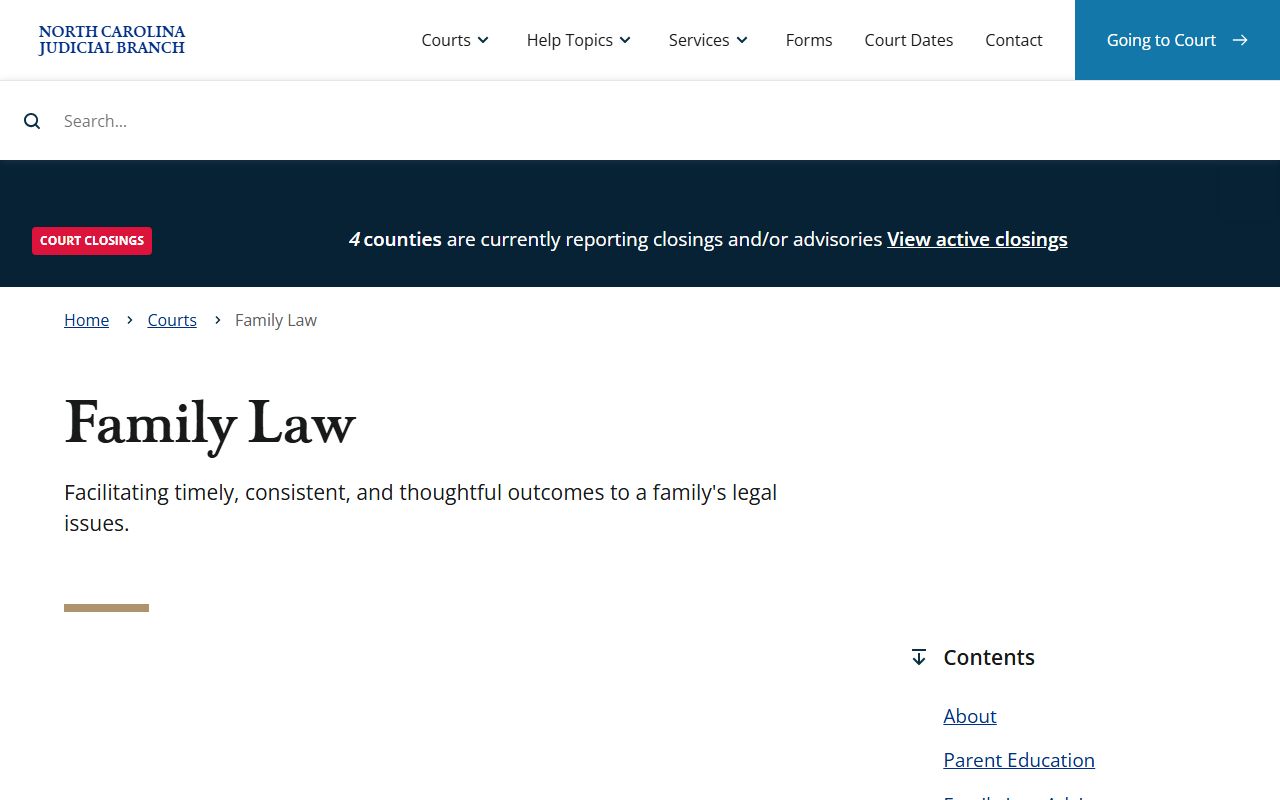
The North Carolina Judicial Branch family law page lists all case types handled in family court, along with forms and local rules for each judicial district. District Court is the trial court level for family law in North Carolina. Each of the 100 counties has a clerk of court office where you can request records. Some older records may be stored off-site, which can add time to your request. For the most current family court records, the online portal is your best option.
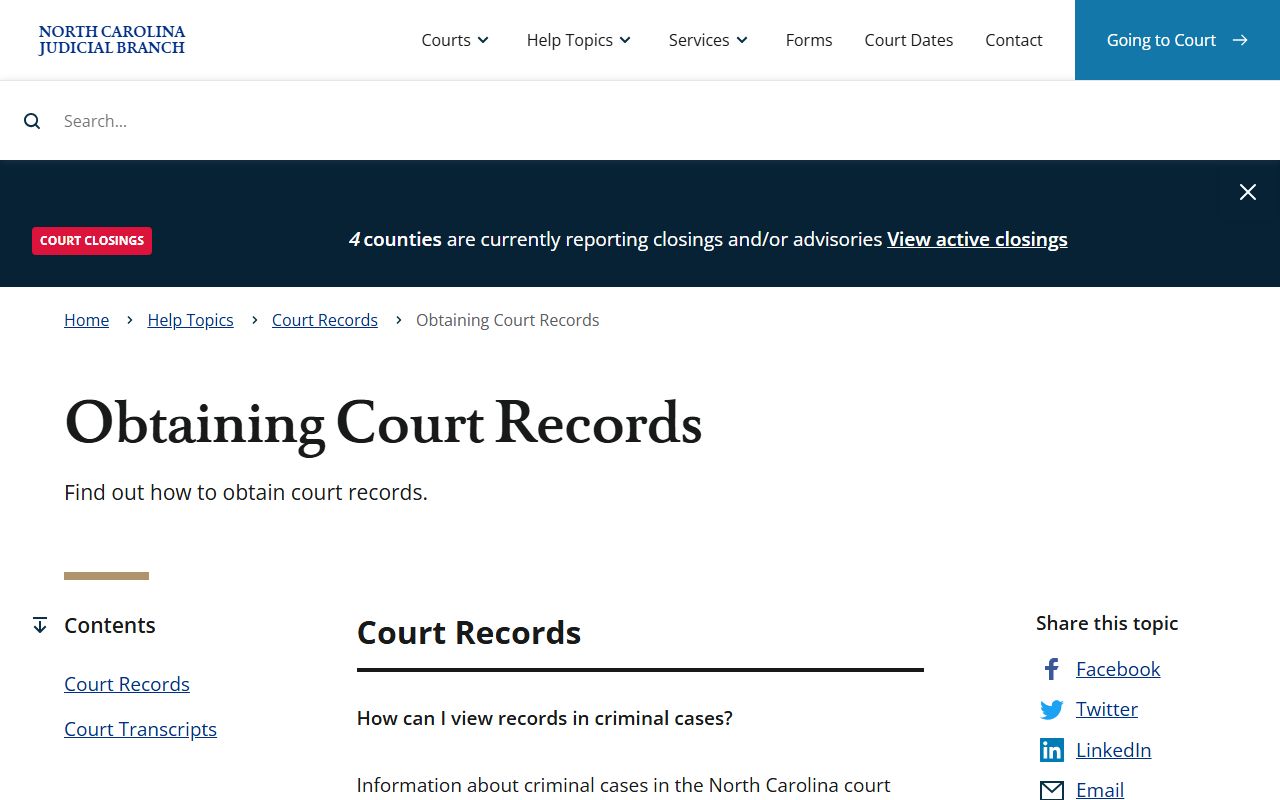
The obtaining court records page on the North Carolina courts site explains how to get copies, what fees apply, and what to expect when you visit a clerk of court office in any county.
Public self-service terminals are also set up in clerk of court offices across North Carolina. These let you search court records on site if you do not have internet at home.
Search Family Court Records Online
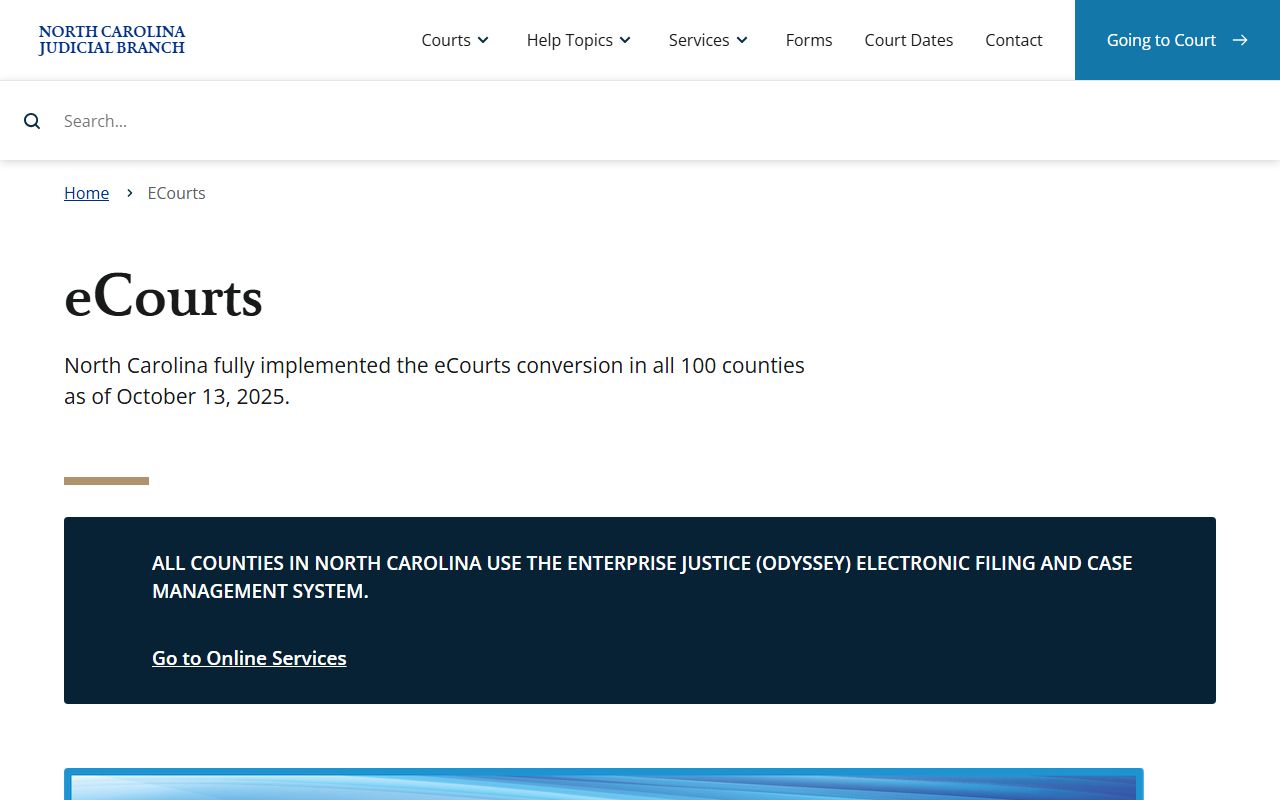
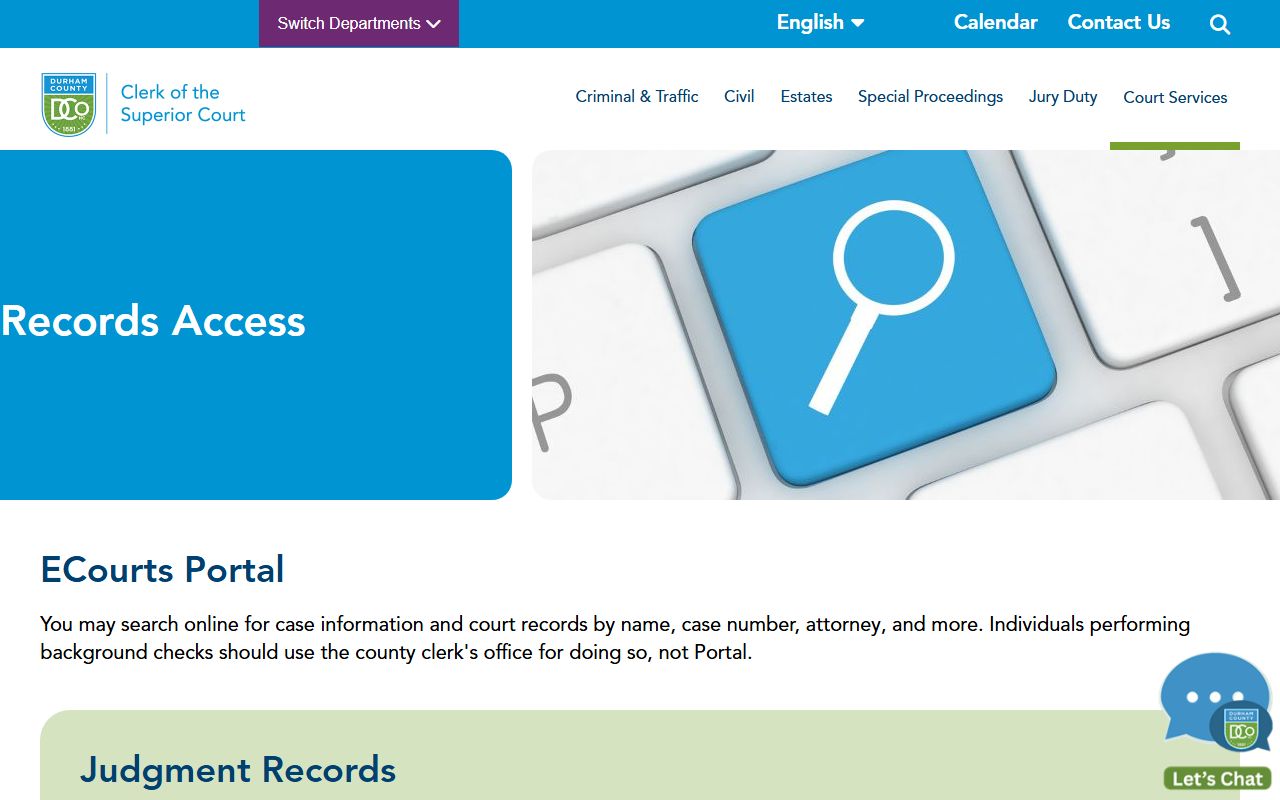
North Carolina launched the eCourts portal to give the public online access to court records. As of October 2025, all 100 counties are live on this system. The portal runs on the Tyler Technologies Odyssey platform and lets you search by party name, case number, or attorney. You can find family court cases including divorce, custody, support, alimony, and protective orders. Basic case data is free to view. This includes party names, filing dates, hearing dates, and case status. The portal updates in real time, so new filings show up right away.
The eCourts information page from the North Carolina Judicial Branch has guides and help resources for using the system. The portal also supports electronic filing through File and Serve. Both attorneys and people without a lawyer can submit documents online. This cuts down on trips to the courthouse and speeds up the filing process for family court cases in North Carolina.
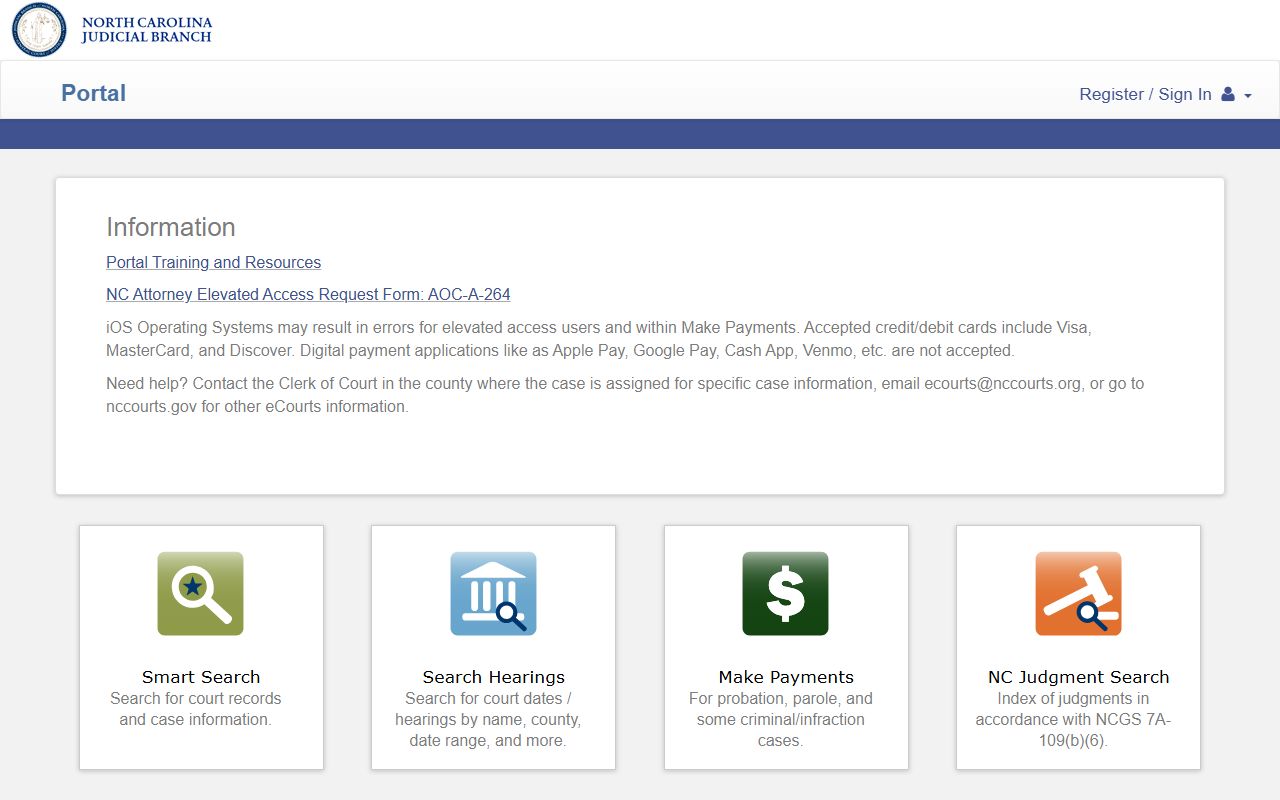
To search for family court records on the portal, you will need at least a full name or a case number. Knowing the county helps narrow your results. The system sorts cases by type, so you can filter for family law matters only.
Not all documents in a case are viewable online. Some may need an in-person visit to the clerk of court office in the county where the case was filed.
Note: Confidential cases such as juvenile matters and sealed records are not visible on the public eCourts portal in North Carolina.
Types of Family Court Cases in North Carolina
Family court in North Carolina handles many different case types. The eCourts portal labels each one with a code. Absolute Divorce cases use the code ABS. Divorce from Bed and Board cases use DBB. Child Custody cases are tagged CUST, and Child Support cases use CS. Post-Separation Support uses PSS. Alimony cases are tagged ALIM. Equitable Distribution uses ED. Domestic Violence Protective Orders fall under 50B. Each of these creates its own set of court records in the North Carolina family court system.
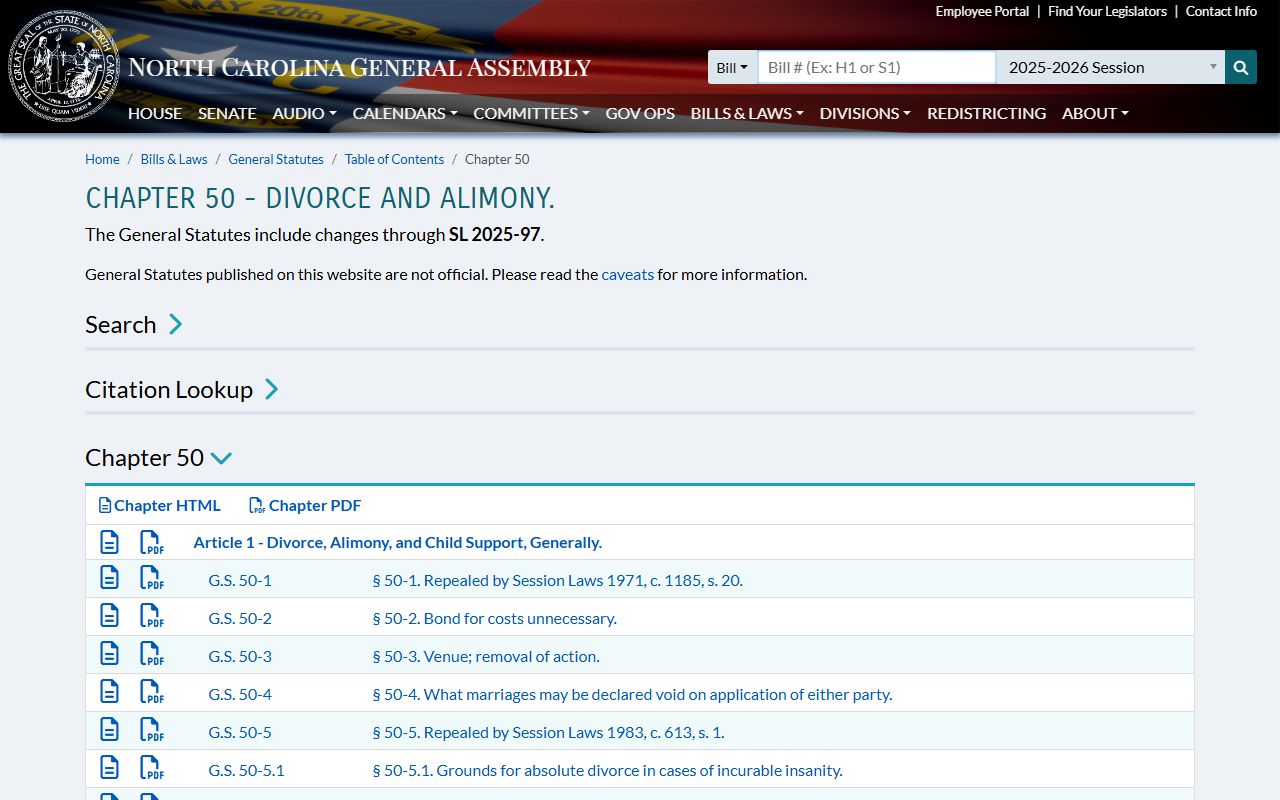
Divorce is one of the most common family court matters. Under N.C.G.S. 50-6, a spouse must live apart for one full year before filing for absolute divorce in North Carolina. At least one spouse must intend for the split to be permanent. This is the only ground for absolute divorce in the state. Divorce from bed and board is different. It does not end the marriage but grants a legal separation based on fault grounds like abandonment or cruel treatment.
Child custody cases are also a large part of family court. North Carolina law requires mandatory mediation for contested custody disputes before a hearing can take place. Courts look at the best interests of the child when making custody decisions. No presumption favors one parent over the other. Safety concerns, domestic violence, and the child's own needs all factor into the ruling.
Note: Property division, alimony, and custody are handled as separate claims that can be filed before or during a divorce action in North Carolina.
Child Support Records in North Carolina
Child support orders make up a large share of family court records in North Carolina. The state uses an income shares model to set support amounts. Both parents' adjusted gross income is combined and applied to the Schedule of Basic Support Obligations. Three worksheets exist for different custody setups. Worksheet A is for primary custody. Worksheet B covers shared custody. Worksheet C applies to split custody cases.
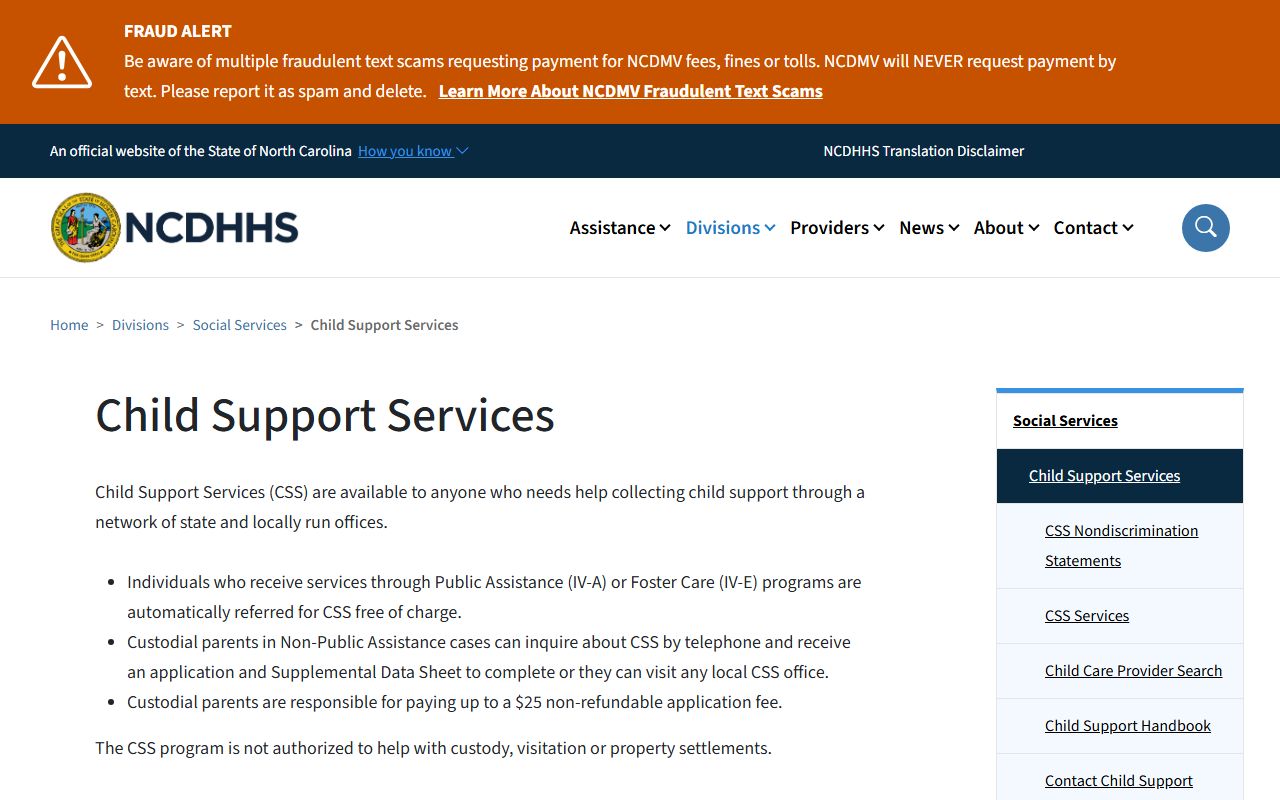
North Carolina Child Support Services (CSS) through the Department of Health and Human Services helps parents with establishing and enforcing support orders. Local CSS offices serve all 100 counties. They can help with paternity establishment, order setup, and collections. Enforcement tools include income withholding from wages, tax refund intercept, property liens, and license revocation under Chapter 50 of the General Statutes.
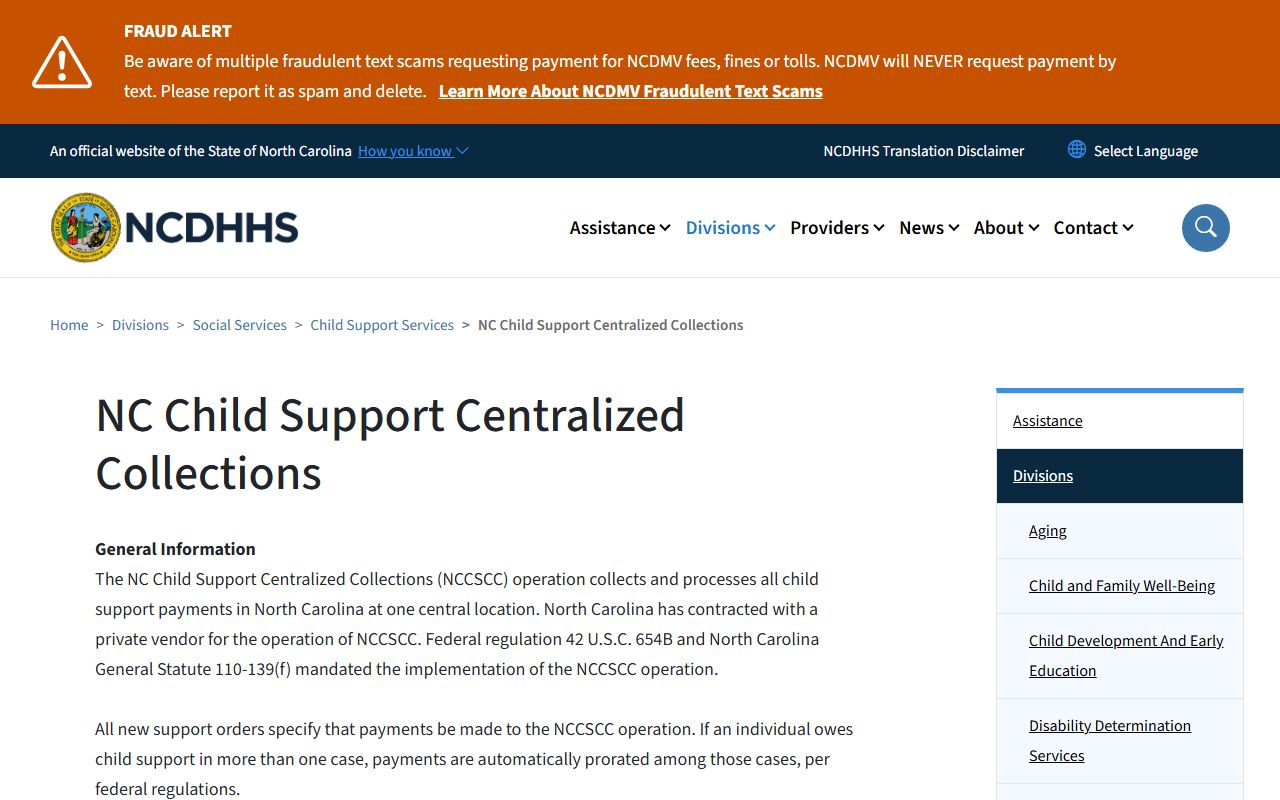
The centralized collections system handles all child support payments in North Carolina. Payments go through one unit and are sent to the custodial parent by direct deposit or debit card.
Custodial parents who do not get public aid can apply for CSS help for up to a $25 fee. Those on public assistance get a free automatic referral. CSS does not handle custody or visitation disputes. It focuses only on support.
Property Division and Alimony
North Carolina is an equitable distribution state. Under N.C.G.S. 50-20, courts divide marital property fairly but not always equally. The judge sorts assets into three groups: marital, separate, and divisible. Marital property includes most things gained during the marriage. Separate property belongs to one spouse from before the marriage or by gift or inheritance. Divisible property covers changes in value after the date of separation. The court weighs factors like the length of the marriage, each person's income, and each one's contributions to the marital estate when splitting assets in North Carolina family court.
Alimony in North Carolina depends on 16 factors listed in the statute. Courts look at earnings, age, health, the length of the marriage, and the standard of living. A key rule in North Carolina family law states that if the dependent spouse committed illicit sexual behavior, the court shall not award alimony. If the supporting spouse is at fault, the court must award alimony. These records become part of the family court case file and are available to the public unless sealed by a judge.
Domestic Violence Protective Orders
North Carolina family courts issue protective orders under Chapter 50B. These are civil orders that can be filed by anyone in a personal relationship who has been the victim of domestic violence. A 50B order can grant the victim exclusive use of the home. It can also set temporary custody of children and order the abuser to stay away. Emergency orders may be issued the same day the petition is filed.
Protective order cases create their own set of family court records in North Carolina. The petition, any temporary order, and the final order are all part of the file. Addresses of protected parties are often redacted from public copies to keep victims safe. These records are searchable through the eCourts portal like other family law cases. However, the court may seal parts of the file if needed.
Note: Courts may redact victim addresses and other sensitive details from public copies of protective order records in North Carolina.
Filing Rules for North Carolina Family Court
Several rules govern how you file a family court case in North Carolina. Under N.C.G.S. 50-8, at least one spouse must have lived in the state for six months before filing for divorce. You file in the county where either spouse resides. There are no exceptions to this residency rule. The filing fee for a divorce complaint is $225 in most counties. Fee waivers are available for those who show financial hardship by filing a Petition to Proceed as an Indigent.
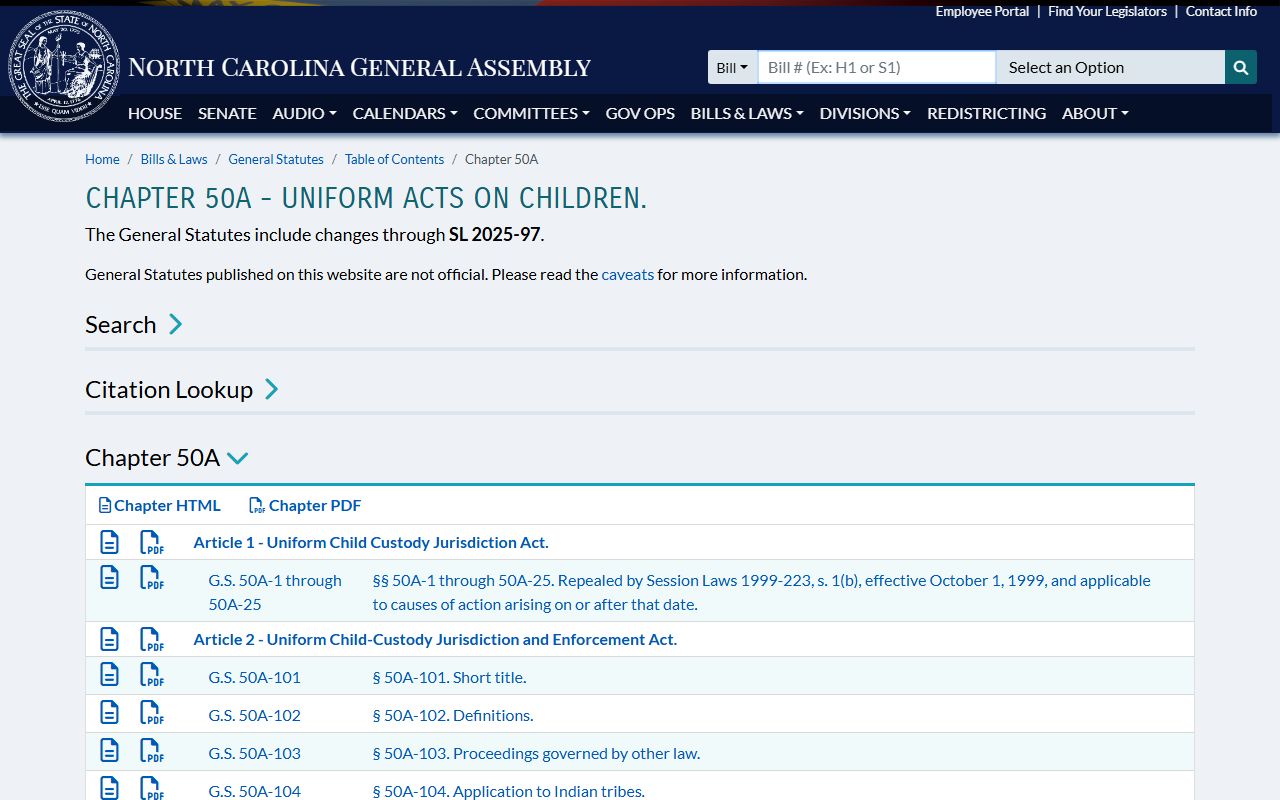
Child custody cases have their own jurisdictional rules under Chapter 50A, the Uniform Child Custody Jurisdiction and Enforcement Act (UCCJEA). This law decides which state has the authority to make custody decisions when parents live in different states. North Carolina must be the child's home state or a court of another state must decline jurisdiction. These rules are critical when family court records involve parents in more than one state.
Local rules also vary by judicial district. Each district may set its own procedures for scheduling hearings and submitting documents. Check with the clerk in your county for specific rules that apply to your family court case in North Carolina.
Are Family Court Records Public
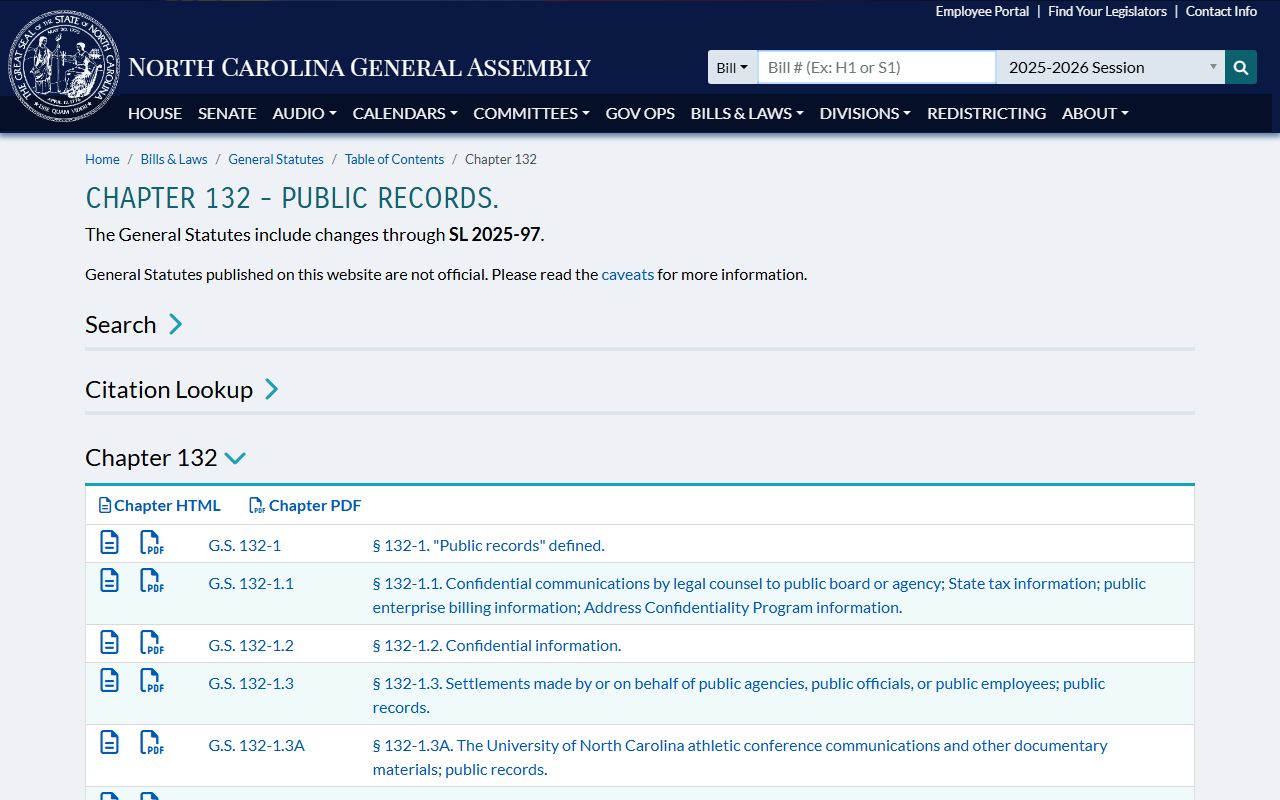
Most family court records are public in North Carolina. The state Public Records Act, N.C.G.S. Chapter 132, gives citizens the right to access government records. This right extends to court records held by the clerk of court. You do not have to be a party in the case to request them. Anyone can ask to see or copy a family court file at the courthouse or search it online through the eCourts portal.
Some limits apply. Social Security numbers, financial account numbers, and other private data are redacted from public copies. A party can ask the court to seal records if they can show good cause. Sealed family court records are uncommon but do happen in North Carolina. Juvenile records under Chapter 7B are confidential and are not available on the public portal. Abuse and neglect records also have restricted access. Sharing these records without permission is a criminal misdemeanor in North Carolina.
Copy fees for court records are set at roughly $0.25 per page for standard copies. Certified copies cost more. Contact the clerk of court in your county for exact costs.
Juvenile and Family Court Protections
North Carolina's Juvenile Code under Chapter 7B governs cases that involve abused, neglected, or dependent children. These proceedings are handled in family court but have strict confidentiality rules. Records from abuse and neglect cases are not open to public inspection. Only the child's parents, guardians, their attorneys, and others with a court order can view them.
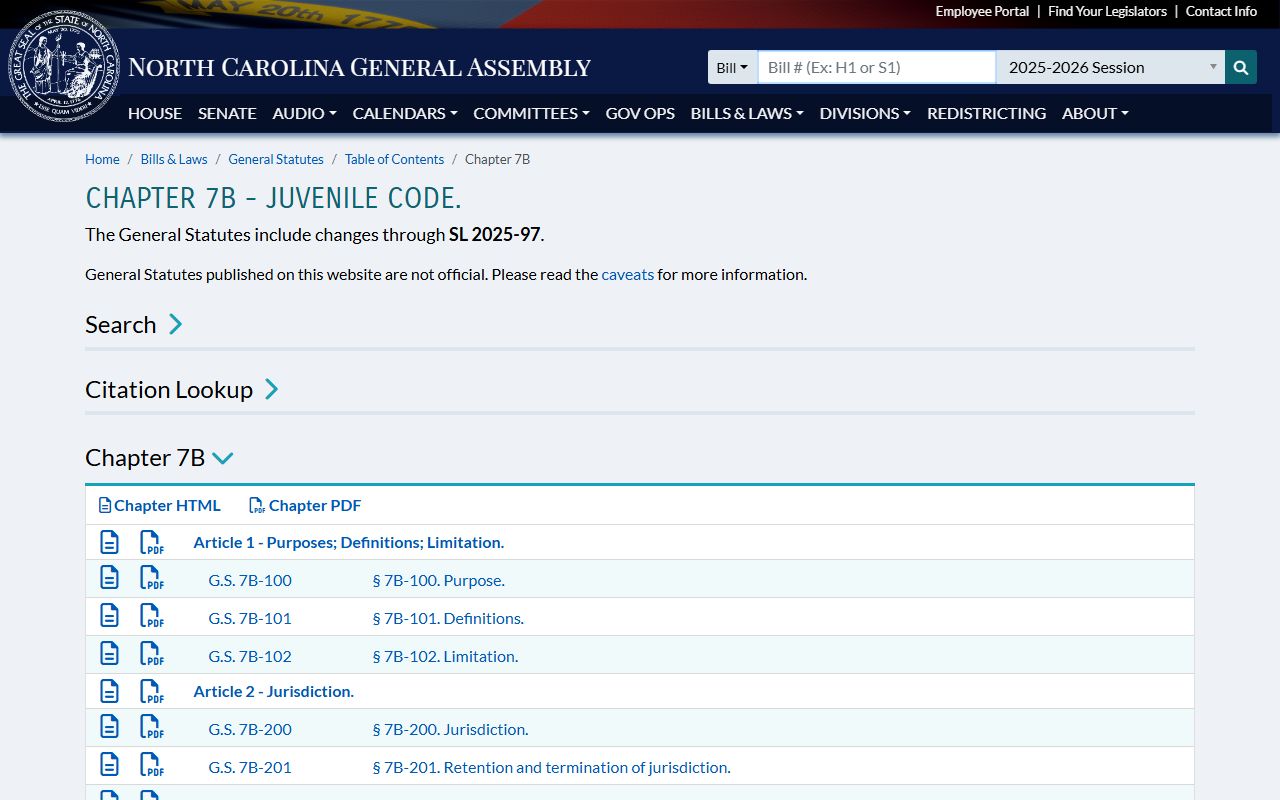
Termination of parental rights is also handled under Chapter 7B. Grounds include neglect, abuse, abandonment, and failure to pay child support. These cases require a clear and convincing evidence standard. The court may appoint a Guardian ad Litem to represent the child's best interests. Family court records from these cases stay confidential in North Carolina.
Legal Help for Family Court in NC
Legal Aid of North Carolina offers free legal help to people with low income. They handle family law cases including divorce, custody, and support across the state. Call (866) 219-5262 to ask about their services. Their site has guides and resources for people who need help with family court matters but cannot afford a private attorney.
The North Carolina Judicial Branch provides forms and step-by-step guides for people who want to handle a family court case on their own. You can find all the official forms for divorce, custody, support, and protective orders on their site. The court services page also links to mediation programs and other resources across North Carolina.
Many judicial districts in North Carolina require divorcing parents with minor children to complete a parenting education class. These classes focus on how divorce affects children and how to co-parent after the case ends.
Note: Fee waivers may be available for court costs if you can show financial hardship to the court in North Carolina.
North Carolina eCourts Portal Access
The eCourts portal went live across all 100 North Carolina counties on October 13, 2025. It replaced the old paper-based system with a full digital platform. The portal handles case management, electronic filing, and public access to court records. Family court case types are clearly labeled. You can search and filter by divorce, custody, support, alimony, or protective order cases. The system is free for basic searches. You can view dockets, hearing schedules, and case status at no cost.
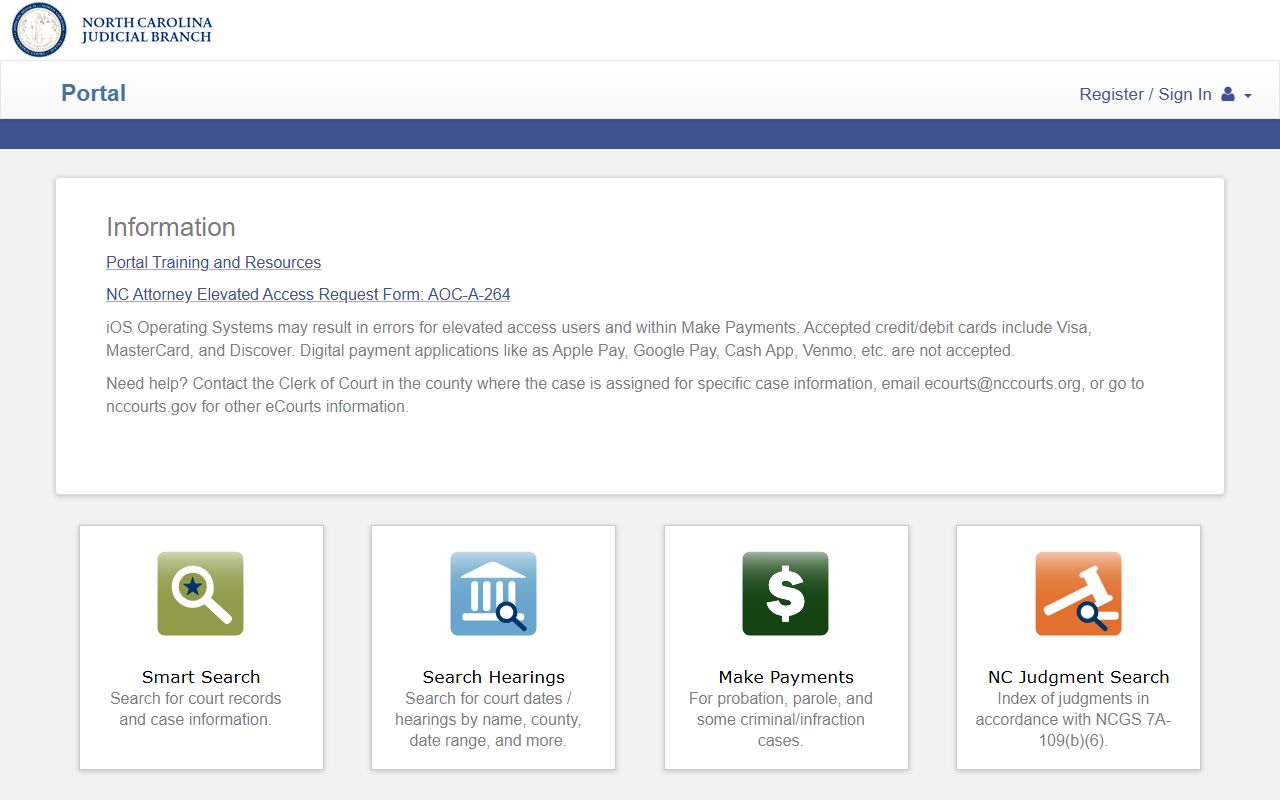
For copies of actual documents from a family court case, you may still need to visit the clerk of court office or submit a request by mail. Not every document in a case is viewable through the online portal. Older records that have not been digitized yet may only be available in paper form at the courthouse in North Carolina.
Browse North Carolina Family Court Records by County
Each county in North Carolina has its own Clerk of Superior Court that keeps family court records. Pick a county below to find local contact details and resources for family court cases in that area.
Family Court Records in Major North Carolina Cities
Residents of major cities file family court cases at their county courthouse. Pick a city below to learn about family court records in that area.