
Columbus County Family Court Records
Columbus County family court records are maintained by the Clerk of Superior Court in Whiteville, North Carolina. The county has about 50,000 residents and sits in the southeastern part of the state near the South Carolina border. The clerk office keeps records for all family law cases filed in the county. These include divorce actions, child custody disputes, child support orders, alimony claims, and domestic violence protective orders. You can search for Columbus County family court records through the online state portal or by visiting the courthouse in Whiteville.
Columbus County Quick Facts
Columbus County Clerk of Court
The Clerk of Superior Court in Columbus County manages all family court records for the county. The office handles new filings, stores documents, and gives copies to people who request them. You can visit the office on Washington Street in Whiteville during business hours.
Columbus County belongs to Judicial District 13. The Columbus County courthouse serves everyone in the county for family court matters. The clerk files divorce complaints, custody petitions, support orders, and protective order cases. Staff can pull up records by name or case number. They can also make copies of specific documents within a case file for you to take with you.
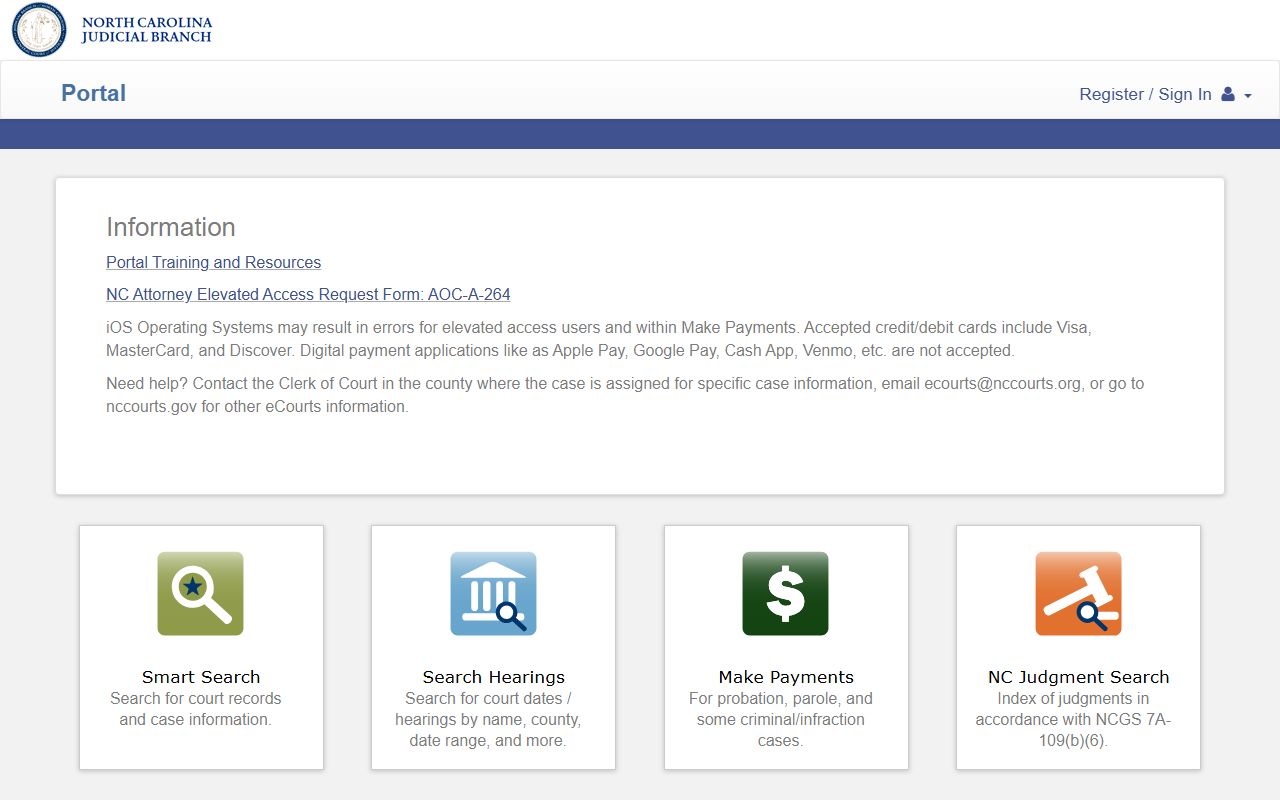
The Columbus County eCourts page shows how you can access family court case data online through the state system.
Call ahead to confirm hours and fees before you visit the Columbus County clerk office.
| Court |
Columbus County Clerk of Superior Court 111 Washington St Whiteville, NC 28472 Phone: (910) 640-6640 |
|---|---|
| Hours | Monday through Friday, 8:00 AM to 5:00 PM |
| Website | nccourts.gov/locations/columbus-county |
Searching Columbus County Family Court Records
You have two options for searching family court records in Columbus County. The online portal lets you search from home. An in-person visit gives you access to the full case file.
The North Carolina eCourts portal covers all counties, including Columbus County. Enter a party name or case number to find family court cases. The results show the case type, filing date, parties, and hearing dates. You will not see the text of court orders online. For those documents, contact the Columbus County clerk office by phone or in person.
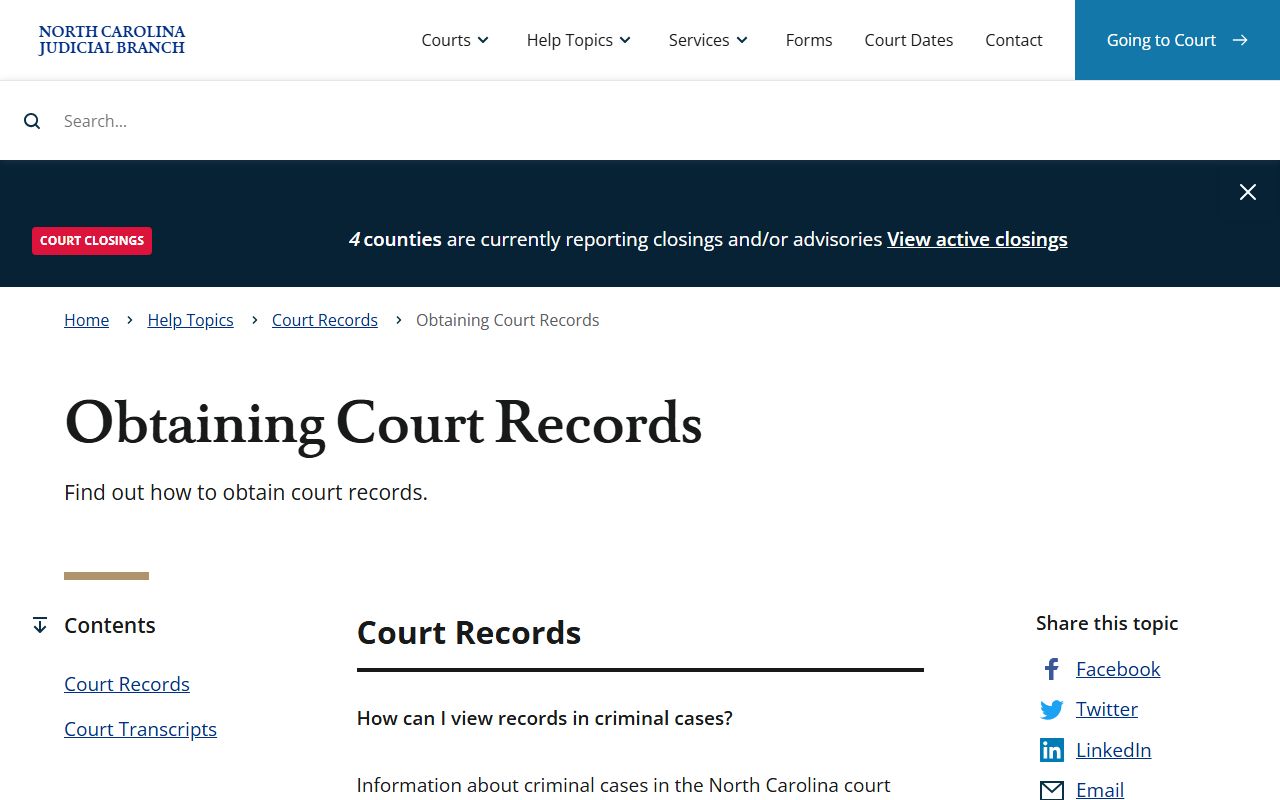
When you visit in person, bring a valid ID. Staff at the Columbus County clerk office can search records and print copies. Certified copies cost more than plain copies. The NC Courts records page explains how to request copies from any county.
Note: Some Columbus County family court records may take extra time to locate if they were filed before the electronic system was set up.
Columbus County Divorce Records
Divorce filings make up a large portion of family court records in Columbus County. North Carolina requires a one-year separation period before filing under N.C.G.S. 50-6. One spouse must be a six-month resident of the state per N.C.G.S. 50-8. Columbus County residents file at the courthouse in Whiteville.
A typical Columbus County divorce record includes the complaint, service papers, any motions, and the final judgment. The judgment ends the marriage and is public record. You can get certified copies for legal needs like a name change. Separation agreements and property settlements may also be in the file. All of these are part of the family court record in Columbus County.
Columbus County divorce records are open to the public under the North Carolina Public Records Act.
Custody and Support Case Records
Child custody cases in Columbus County decide where children live and how parents share time with them. These family court records include the initial petition, temporary orders, and the final custody order. When a parent needs to change an existing order, they file a modification in Columbus County. Each step creates a new entry in the case file.
Child support records come from the court or from the North Carolina Child Support Services agency. Court-ordered support is set during a custody or divorce case. The state agency handles collection and enforcement. For the actual court order, go to the Columbus County clerk. For payment records, contact child support services.
Domestic violence protective orders are a serious part of family court in Columbus County. Under Chapter 50B, a person can ask the court for an order to keep someone away. The order may also address custody, support, and use of the home. These records stay on file at the Columbus County clerk office. The NC Courts family law page explains how 50B orders work.
Note: Protective order records in Columbus County are public, but some details may be limited to protect victims.
Legal Help for Family Court in Columbus County
Legal Aid of North Carolina serves Columbus County residents who need help with family court matters. They offer free legal services based on income. Services can include help with divorce forms, custody filings, and protective orders.
The NC Courts divorce help page has forms and step-by-step guides for people who want to handle a case without a lawyer. Columbus County residents can use these resources to prepare filings. The clerk office in Whiteville can answer questions about where to file and what forms you need, but staff cannot give legal advice.
Getting the right forms early can save you time at the Columbus County courthouse.
Equitable Distribution in Columbus County
When a married couple in Columbus County cannot agree on how to divide property, the court handles it through equitable distribution. Under N.C.G.S. 50-20, this claim must be filed before the divorce judgment is entered. The case file shows what property the court classified as marital, what was separate, and how it was divided. These records are kept at the Columbus County clerk office in Whiteville.
Alimony claims work in a similar way. A spouse can ask the court for ongoing financial support based on need and the other spouse's ability to pay. Both equitable distribution and alimony claims become part of the family court record in Columbus County. Missing the filing deadline means you give up the right to ask the court for help with these issues.
The NC Courts services page has general information on court processes that apply to Columbus County family court cases.
Nearby Counties
These counties border Columbus County. If you are not sure which county handles your family court case, check the address where you live. You need to file in the correct county.