
Find Davie County Family Court Records
Davie County family court records are stored at the Clerk of Superior Court in Mocksville, North Carolina. This Piedmont county has about 43,000 residents and is located west of Winston-Salem. The clerk office maintains records for divorce cases, child custody orders, child support filings, alimony claims, and domestic violence protective orders. You can search Davie County family court records through the state eCourts portal or by visiting the courthouse on South Main Street in Mocksville to review case files.
Davie County Quick Facts
Davie County Clerk of Superior Court
The Clerk of Superior Court in Davie County keeps all family court records for the county. The office handles new filings, stores documents, and provides copies to the public. It is at 140 S. Main St in Mocksville.
Davie County shares Judicial District 22A with Davidson County. The Davie County courthouse in Mocksville is where all family law cases are filed and heard. The clerk processes divorce complaints, custody petitions, support filings, equitable distribution claims, and 50B protective order cases. Because Davie County is smaller than its neighbors, the clerk office typically has shorter wait times for walk-in requests. Staff can search for family court records by name or case number.
The Davie County clerk page on the NC Courts website lists hours and contact information for people who need to access family court records.
Call the Davie County clerk at (336) 753-6020 before you visit to ask about fees and what to bring.
| Court |
Davie County Clerk of Superior Court 140 S. Main St Mocksville, NC 27028 Phone: (336) 753-6020 |
|---|---|
| Hours | Monday through Friday, 8:00 AM to 5:00 PM |
| Website | nccourts.gov/locations/davie-county |
Davie County Family Court Records Online
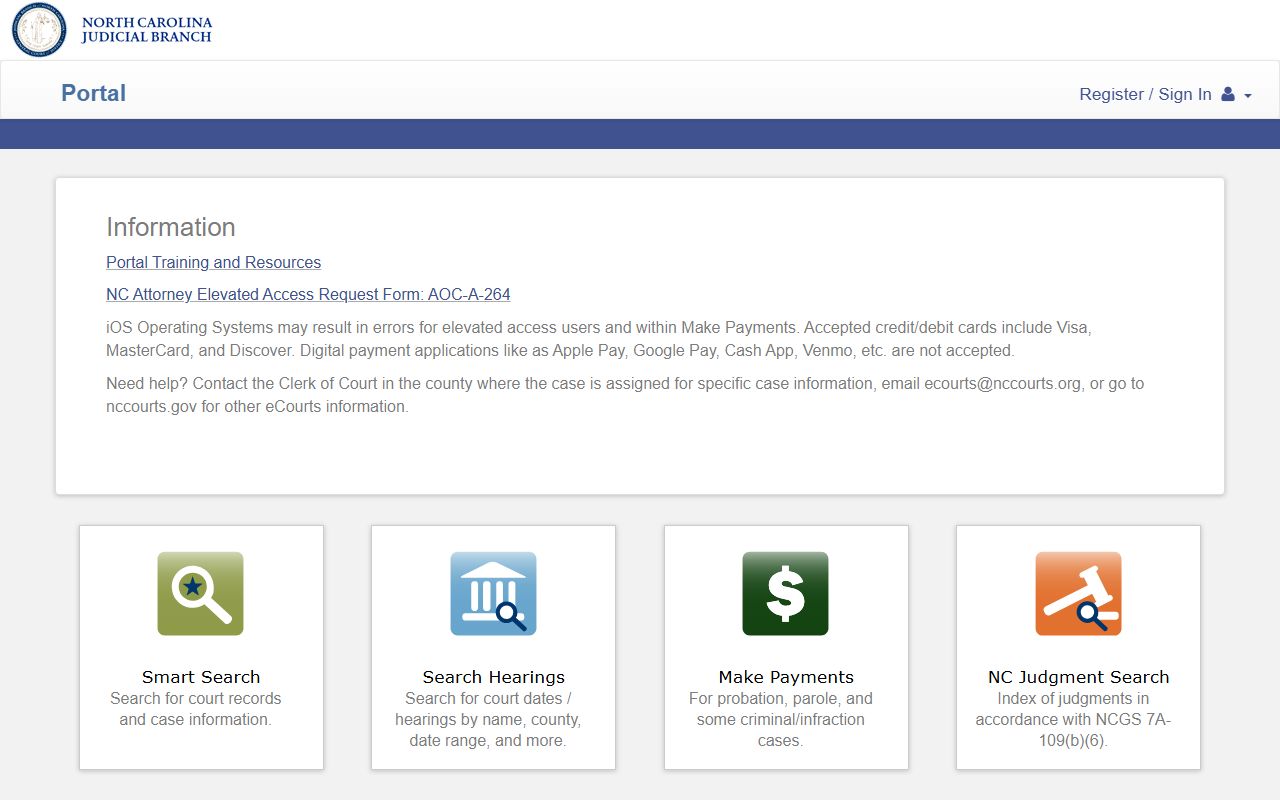
The North Carolina eCourts portal lets you search for family court cases from Davie County and every other county in the state. Enter a party name or case number to find results. The system shows case type, filing date, parties, and hearing dates. Basic searches are free.
The portal does not display the full text of court orders or judgments. To get copies of documents from a Davie County family court case, you need to contact the clerk office. Visit the courthouse, call, or mail a request. The NC Courts records page walks you through the steps for getting copies from any county.
Note: Older Davie County family court records from before the electronic system may not appear online and will require an in-person search at the clerk office in Mocksville.
Divorce Records in Davie County
Divorce cases are a common part of family court in Davie County. To file for absolute divorce, you must have lived apart from your spouse for one full year. This is required by N.C.G.S. 50-6. At least one spouse must have been a resident of North Carolina for six months under N.C.G.S. 50-8. Davie County residents file at the Mocksville courthouse.
The divorce file in Davie County includes the complaint, service documents, motions, and the final judgment. A separation agreement may also be part of the record. The judgment of absolute divorce is what most people need. You can get certified copies from the Davie County clerk. Certified copies are required for legal matters such as changing your name or getting remarried.
Davie County divorce records are public. Under the North Carolina Public Records Act, anyone may ask to see or copy them. You do not need to be a party in the case.
Family Court Records for Custody and Support
Child custody cases in Davie County are heard in family court. Records include the initial petition, temporary orders, and the final order. Modification requests are also filed when parents need to adjust custody terms. The Davie County clerk keeps all of these in the case file.
Child support in Davie County is based on state guidelines. The court sets the amount during a custody or divorce case. The NC Child Support Services agency handles enforcement and collections. For the court order, go to the Davie County clerk. For payment records, contact the state agency.
Alimony and equitable distribution claims are filed in Davie County family court as well. Under N.C.G.S. 50-20, these must be filed before the divorce judgment is entered. If you miss the deadline, you lose the right to ask the court to divide marital property or award alimony in Davie County.
Note: Custody records in Davie County may have limited details about minor children, but basic case information is public.
Protective Orders and Legal Assistance
Domestic violence protective orders are filed under Chapter 50B at the Davie County clerk office. A person can ask the court to order a family or household member to stay away. The order may also set temporary custody and support terms. These records become part of the family court file in Davie County. The NC Courts family law page explains how 50B orders work.
Legal Aid of North Carolina offers free legal help to Davie County residents who meet income guidelines. They can assist with divorce, custody, child support, and protective order cases. The NC Courts services page lists other resources available to people with family court cases in Davie County.
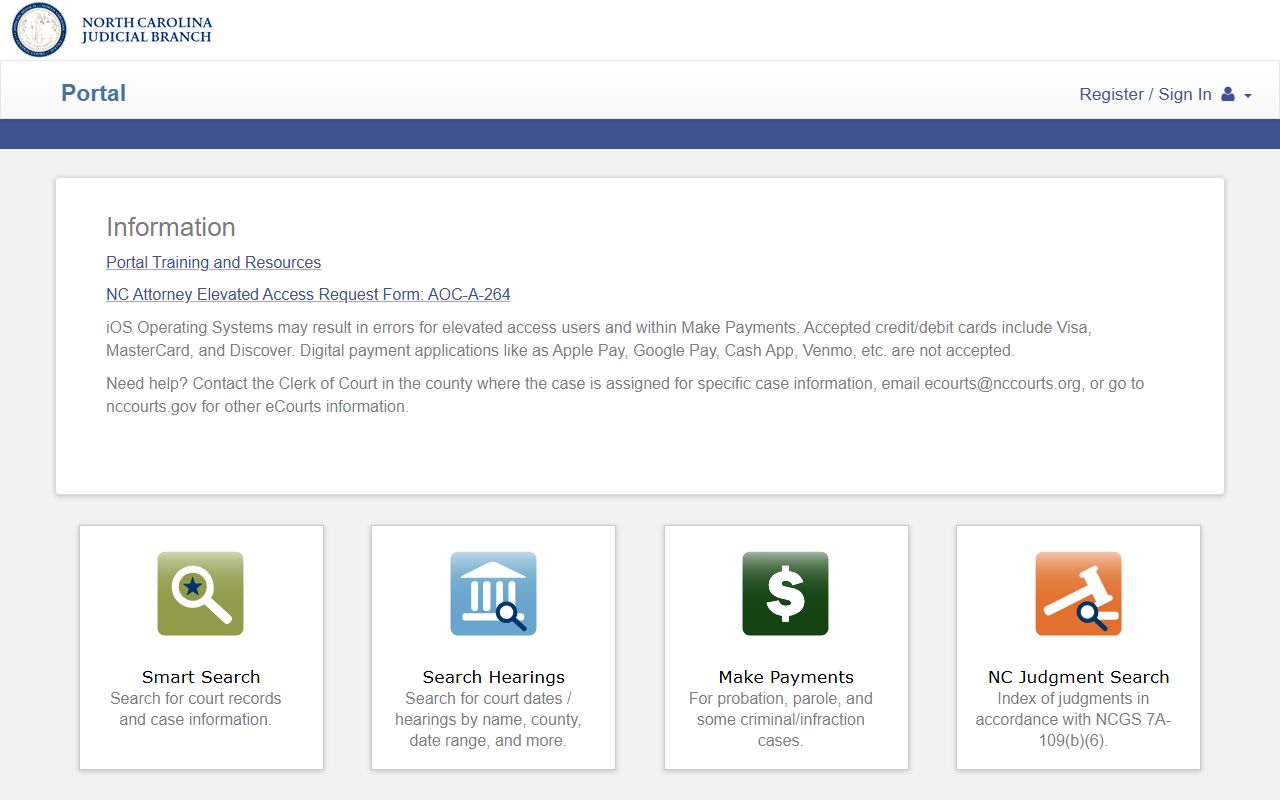
The NC Courts website provides forms for all types of family court filings that Davie County residents can use.
How to Get Davie County Court Records
There are a few ways to get family court records from Davie County:
- Visit the clerk office at 140 S. Main St in Mocksville
- Call (336) 753-6020 to ask about records
- Search the eCourts portal for basic case details
- Send a written request by mail
- Request certified copies for legal purposes
Fees apply for copies. Certified copies cost more than plain ones. The Davie County clerk can tell you current fees. Bring a valid ID if you visit in person. The NC Courts divorce help page has forms and information for people handling family court matters on their own in Davie County.
Nearby Counties
These counties border Davie County. Verify your address is within Davie County before filing a family court case. You must file in the county where you live for the court to have jurisdiction.