
Guilford County Family Court Records
Guilford County family court records are held at the Clerk of Superior Court in Greensboro. This is one of the largest counties in North Carolina, home to more than 541,000 people. The clerk handles all family law cases filed in Guilford County. These include divorce, child custody, child support, and domestic violence matters. The courthouse serves both Greensboro and High Point, along with all towns in the county. You can search for family court records in person or through online tools that cover Guilford County case filings.
Guilford County Quick Facts
Guilford County Clerk of Court
The Clerk of Superior Court in Guilford County keeps all family court records. This office stores divorce filings, custody orders, and child support cases. Staff at the clerk office can help you find a case or get copies of court documents. The main office is in Greensboro at the county courthouse.
Guilford County has two courthouse locations. The main one sits at 201 South Eugene Street in Greensboro. A second location in High Point serves the west side of the county. Both handle family court matters. All family law cases filed in Guilford County go through District 18. This covers divorce, custody, support, and protective orders. The clerk keeps records for all of these case types, and you can request copies at either location during business hours.
| Court |
Guilford County Clerk of Superior Court 201 S. Eugene St Greensboro, NC 27401 Phone: (336) 412-7500 |
|---|---|
| Hours | Monday through Friday, 8:00 AM to 5:00 PM |
| Website | nccourts.gov/locations/guilford-county |
How to Find Family Court Records
There are two main ways to search family court records in Guilford County. You can go online or visit the courthouse. Each method works best for different needs.
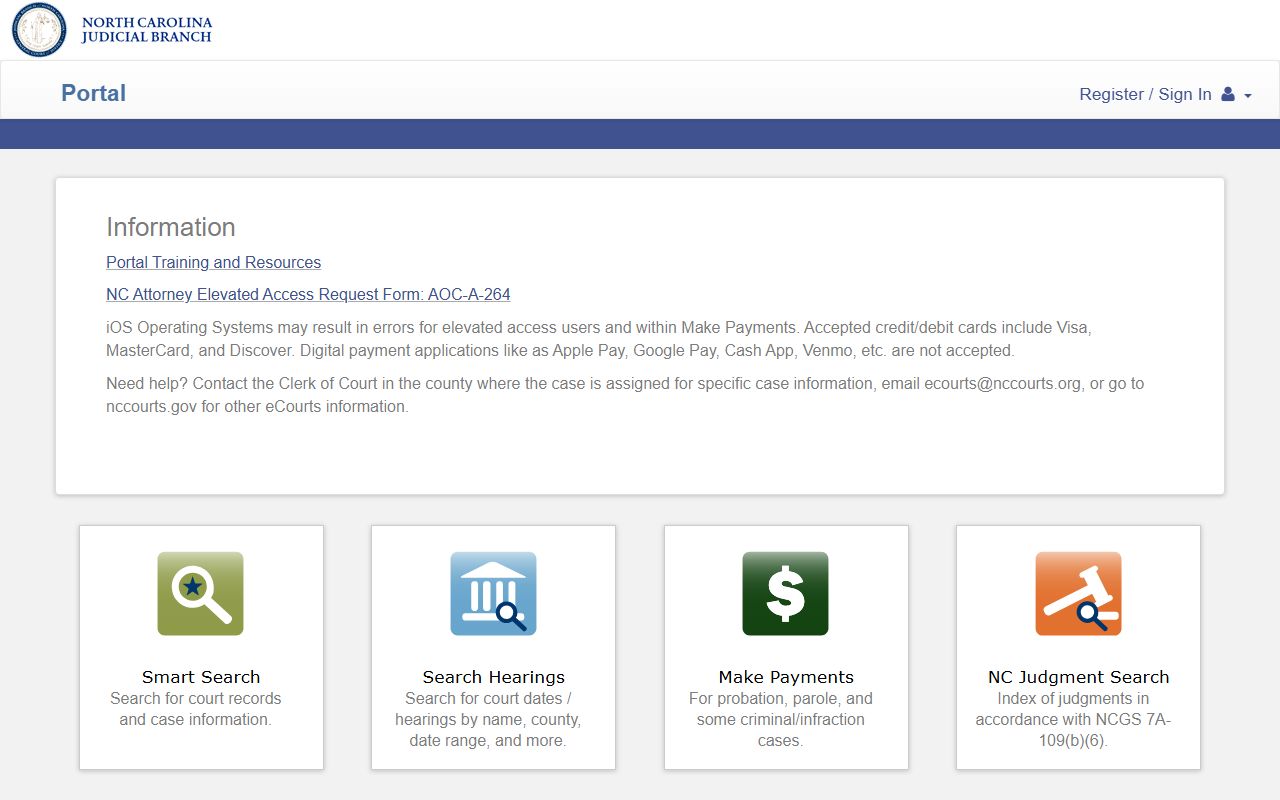
The North Carolina eCourts portal lets you search case records from home. Type in a name or case number to find family court filings in Guilford County. The portal shows basic case details for free. You can see the parties, filing dates, and case status. For full documents, you will need to contact the clerk or go to the courthouse in Greensboro. The eCourts system covers all North Carolina counties, so you can also check if a case was filed in a nearby county like Forsyth or Randolph.
In-person searches work best when you need to review the full case file. Bring your ID and go to 201 South Eugene Street in Greensboro. Staff can pull up records by name or case number. You can view the file and ask for copies right there. Certified copies cost more than plain ones. Call the Guilford County clerk at (336) 412-7500 to ask about current copy fees before you visit.
Guilford County Divorce Records
Divorce is the most common type of family court record in Guilford County. To file for divorce in North Carolina, you must live apart for at least one year under N.C.G.S. 50-6. At least one spouse must have lived in the state for six months before filing, as required by N.C.G.S. 50-8. If you reside in Guilford County, you file here.
A divorce case file in Guilford County holds several documents. The complaint starts the case. The answer is the other party's response. Any motions for temporary custody or support are also in the file. The final judgment of divorce ends the marriage and becomes a permanent court record. You can get certified copies of any of these from the Guilford County clerk office.
Note: Property division and alimony claims must be filed before the divorce is final, or they are lost under North Carolina law.
Custody and Support Cases in Guilford County
Child custody and child support are major parts of family court in Guilford County. These cases can be filed on their own or as part of a divorce. The court decides where children will live and how much support a parent must pay. All of these records are kept at the Guilford County courthouse.
Custody orders spell out the living plan for children. They cover legal custody, physical custody, and the visitation schedule. Either parent can file to change a custody order if things have shifted since the last ruling. The North Carolina family court system handles these through the district court. In Guilford County, custody matters go through District 18. Support orders set the dollar amount one parent pays. The state uses guidelines based on both parents' income. The NC Department of Health and Human Services helps enforce child support orders across the state, including in Guilford County.
Domestic violence cases also go through family court. A person can file for a protective order under Chapter 50B. These records are part of the Guilford County family court system. The clerk can tell you how to file or check the status of an existing case.
Guilford County Property Division Records
Equitable distribution is the legal term for dividing property in a divorce. Under N.C.G.S. 50-20, courts split marital property fairly. This does not always mean a 50/50 split. The court looks at many factors. These cases create detailed records in Guilford County.
Property division records in Guilford County may list real estate, bank accounts, retirement funds, and debts. The court file shows what each side claimed and what the judge ordered. These records are public under the North Carolina Public Records Act. Anyone can ask to see them at the clerk office. Alimony records are also part of the family court file when one spouse seeks ongoing support from the other.
Legal Help in Guilford County
Free and low-cost legal help is available for family court matters in Guilford County. Legal Aid of North Carolina serves residents who qualify based on income. They help with divorce, custody, and protective orders. Call their helpline to find out if you are eligible for free help with your Guilford County family court case.
The NC Courts website has forms and guides for people who represent themselves. You can download the forms you need for divorce, custody, or support cases in Guilford County. The courthouse in Greensboro also has a self-help center where staff can point you to the right forms and explain the filing steps.
Nearby Counties
These counties share a border with Guilford County. If you are not sure where a case was filed, check the address where the parties live. Family court cases must be filed in the correct county.