
Search Perquimans County Family Court Records
Perquimans County family court records are maintained by the Clerk of Superior Court in Hertford. This small county in northeastern North Carolina has about 13,000 residents. The clerk office handles divorce filings, child custody orders, support cases, and domestic violence records for the entire county. You can search Perquimans County family court records at the courthouse on North Church Street. Online tools also let you look up basic case details. The clerk staff can assist with record requests and copies of court documents filed in Perquimans County.
Perquimans County Quick Facts
Perquimans County Family Court Clerk Office
The Clerk of Superior Court in Perquimans County manages all family court records. This includes divorce cases, custody matters, child support filings, and protective orders. The office is on North Church Street in Hertford. Staff can search for cases and provide copies.
Perquimans County is one of the oldest counties in North Carolina. It borders the Albemarle Sound and the Perquimans River. Despite its small size, the clerk office handles a steady stream of family court matters each year. Every case filed in Perquimans County gets a unique number for tracking. The clerk keeps both paper files and digital records for newer cases. You can call the office at (252) 426-5668 to ask about a case or to find out what you need before you visit the Perquimans County courthouse.
| Court |
Perquimans County Clerk of Superior Court 128 N. Church St Hertford, NC 27944 Phone: (252) 426-5668 |
|---|---|
| Hours | Monday through Friday, 8:00 AM to 5:00 PM |
| Website | nccourts.gov/locations/perquimans-county |
Searching Family Court Records in Perquimans County
You can search Perquimans County family court records in person or online. In person, visit the courthouse in Hertford. Bring a valid ID. The clerk can look up cases by name or case number. You can view files and request copies at the window.
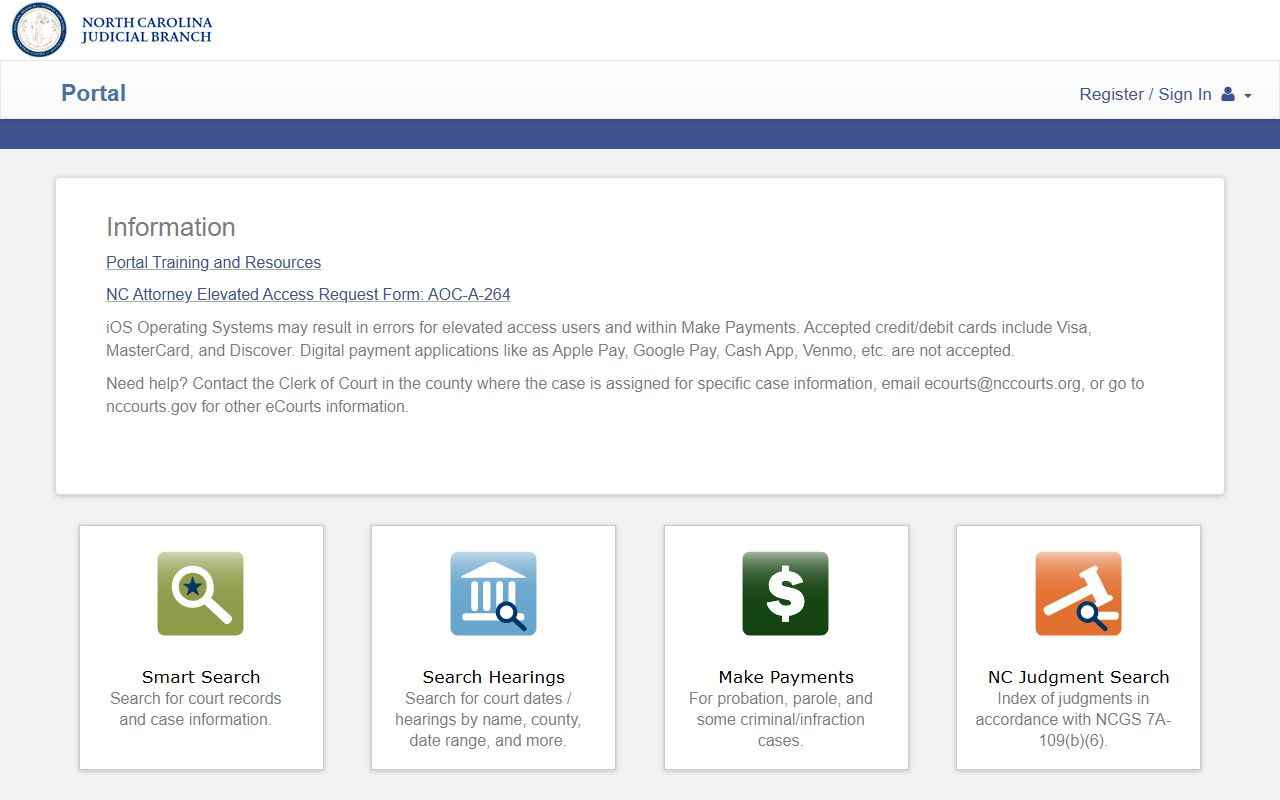
Online, the North Carolina eCourts portal provides access to case records from across the state. Search for Perquimans County cases by party name or case number. The portal shows filing dates, case status, and party names. It does not always show the full documents. For complete records or certified copies from Perquimans County, contact the clerk directly.
The obtaining court records page on the state courts site explains how to request copies by mail if you cannot visit Perquimans County in person.
Divorce Filings in Perquimans County
Divorce cases make up a large share of family court records in Perquimans County. North Carolina requires one year of separation before filing. Under N.C.G.S. 50-6, the grounds for absolute divorce are one year of living separate and apart. At least one spouse must have lived in North Carolina for six months under N.C.G.S. 50-8.
The divorce complaint is filed at the Perquimans County courthouse. The clerk assigns a case number. All documents in the case go into the file under that number. The final judgment of divorce ends the marriage. This judgment is part of the public record in Perquimans County. You can get certified copies from the clerk for legal needs such as name changes or remarriage.
Note: Property division and alimony claims must be filed before the divorce judgment or they are waived under North Carolina law.
Custody and Child Support Records
Child custody and support cases are common in Perquimans County family court. Custody can be part of a divorce or filed as a separate case. The court decides based on the best interest of the child. Both parents can seek custody or visitation.
Child support is set using state income guidelines. The NC Child Support Services division helps enforce orders. You can also file a support action directly with the Perquimans County court. Records of support orders and payments are kept on file at the clerk office. These records are generally available to the public, though some details about children may be restricted in Perquimans County.
Perquimans County Protective Orders
Domestic violence protective orders are part of the family court system in Perquimans County. These cases are filed under Chapter 50B. A person who has been harmed by a family or household member can seek a court order for protection. The clerk processes these filings at the courthouse in Hertford.
The process starts with a petition. A judge may grant a temporary order the same day. A full hearing comes later. The final order can last up to one year. All of these documents become part of the court record in Perquimans County. The family law section of the state courts website has forms and details on the process.
Legal Aid for Perquimans County Residents
Legal Aid of North Carolina provides free legal help to low-income residents in Perquimans County. They assist with divorce, custody, and protective order cases. Call their helpline to see if you qualify for services.
The North Carolina courts website has self-help forms and guides for people handling family court cases on their own. These resources cover divorce, custody, and support matters. Forms can be downloaded and printed. The Perquimans County clerk staff can also point you to the right forms when you visit the courthouse.
Public Access to Perquimans County Records
Family court records in Perquimans County are generally public under the North Carolina Public Records Act. Anyone can ask to view them. You do not have to be a party to the case.
Some records have limits on public access. Files that involve children may have parts sealed. Domestic violence cases may restrict certain details to protect safety. The clerk can tell you what is available for any given case in Perquimans County. Most divorce judgments and custody orders are open to the public.
Nearby Counties
These counties border Perquimans County. Make sure to file family court cases in the county where you live. The court must have jurisdiction over your case.