
Anson County Family Court Records Lookup
Anson County family court records are kept by the Clerk of Superior Court in Wadesboro. This south-central North Carolina county has about 22,000 people. The clerk office manages all family law case filings, including divorce, custody, child support, alimony, and protective orders. You can search Anson County records through the state eCourts portal from any device or go to the courthouse on South Greene Street in person. The clerk staff in Anson County can help you find cases and get copies of court documents.
Anson County Quick Facts
Anson County Clerk of Superior Court
The Clerk of Superior Court in Anson County handles all family court records. The office is at 101 S. Greene St in Wadesboro. Staff process new filings, maintain case files, and provide copies of court orders and judgments to the public.
Anson County is part of Judicial District 20A. District Court judges assigned to this district hear family law cases on set days. The clerk accepts new filings during business hours. You must pay fees at the time you file. The office takes cash, checks, and money orders. Public terminals in the clerk office let you search the eCourts system at no cost during office hours.
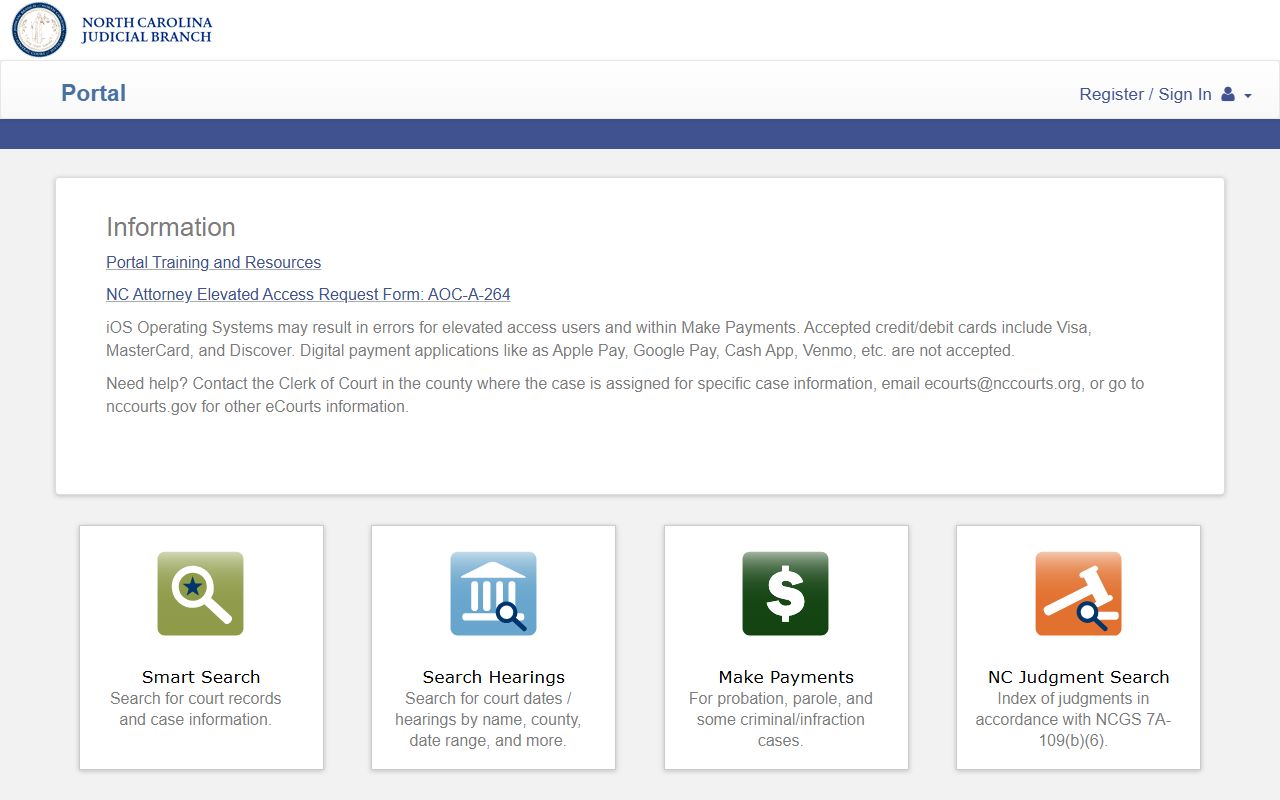
The screenshot below shows the Anson County eCourts portal page for searching family court records.
The Anson County Courthouse has wheelchair access, elevators, and accessible restrooms. Security screening is required for all who enter the building.
| Court |
Anson County Clerk of Superior Court 101 S. Greene St Wadesboro, NC 28170 Phone: (704) 994-3200 |
|---|---|
| Hours | Monday through Friday, 8:30 AM to 5:00 PM |
| Website | nccourts.gov/locations/anson-county |
How to Search Anson County Family Records
You have two ways to search family court records in Anson County. The eCourts portal lets you search online from home. A trip to the courthouse in Wadesboro lets you view the full file and get copies on the spot.
The eCourts portal is free to use and runs 24 hours a day. Search Anson County cases by party name, case number, or case type. Family cases use codes like ABS for divorce, CUST for custody, CS for child support, and 50B for domestic violence orders. The portal shows case status, hearing dates, and docket entries in real time. It works on computers, phones, and tablets.
For an in-person search, go to 101 S. Greene St in Wadesboro. Bring a photo ID. Staff can look up cases by name or number. Standard copies are $0.25 per page. Certified copies are $5.00 per document plus the per-page fee. Requests for Anson County family court records usually take three to five business days.
Note: Records stored off-site may take longer to retrieve at the Anson County clerk office.
Divorce Records in Anson County
Divorce is the most frequent family court filing in Anson County. North Carolina requires one year of living apart before you can file under N.C.G.S. 50-6. One spouse must have lived in the state for six months per N.C.G.S. 50-8.
To start, you file a complaint at the clerk office in Wadesboro and pay $225. The clerk assigns a case number. Then you serve the other party through the Anson County Sheriff, a private process server, or certified mail with return receipt. Proof of service is placed in the court file. After the year of separation has been confirmed and the case is ready, the judge signs a divorce judgment. That judgment becomes part of the Anson County family court records and is open to the public.
Any claim for equitable distribution under N.C.G.S. 50-20 or alimony must be filed before the divorce is granted. Waiting too long means those claims are gone.
Custody and Support Cases in Anson County
Child custody and child support cases make up a large share of family court records in Anson County. Custody orders set out where a child lives and how parents share time. Support orders set the amount each parent pays based on the state guidelines.
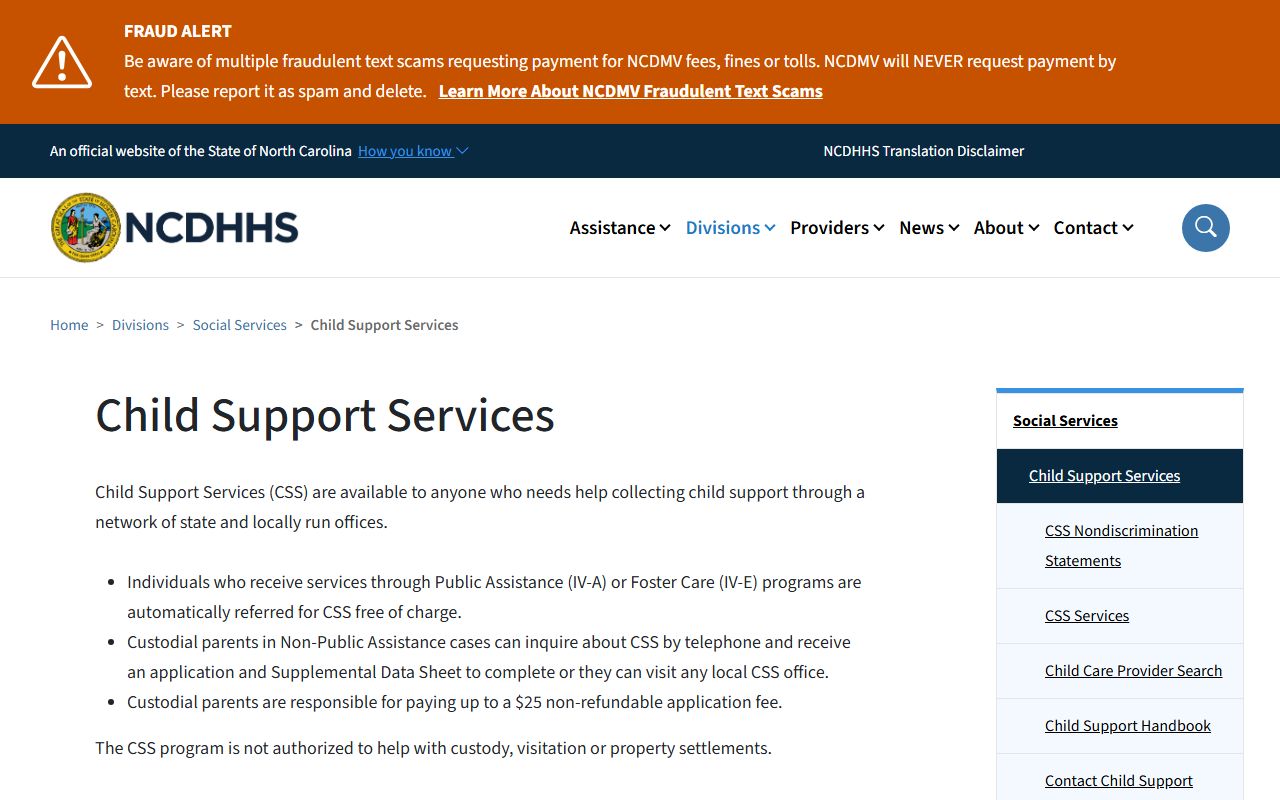
The NC Child Support Services runs a local office for Anson County. Custodial parents can apply for help with a $25 fee. Those on public assistance are enrolled with no fee. The office helps set up new orders, enforce current ones, and collect past-due payments. Enforcement tools include wage withholding, tax intercepts, and license holds. All custody and support orders filed in Anson County become part of the court record at the clerk office.
District 20A may require mediation for contested custody cases. The court can also appoint a Guardian ad Litem to speak for a child in a high-conflict case in Anson County.
Anson County Protective Orders
Domestic violence protective orders are filed at the Anson County clerk office under Chapter 50B. There is no fee to file. You can file during business hours in Wadesboro. After hours, law enforcement can help you reach a magistrate for an emergency order.
A temporary order lasts up to 10 days until the court holds a full hearing. After that hearing, the judge can issue an order for up to one year. It may be renewed for two more years if needed. The Anson County Sheriff serves the order at no cost. These orders can cover temporary custody, use of the home, and support payments. All protective order records are stored in the Anson County family court files and are part of the public record under N.C.G.S. Chapter 132.
Below is the North Carolina DHHS child support services page, which covers support enforcement across all counties including Anson.
Note: Sealed and juvenile cases are not available to the public without a court order in Anson County.
Legal Help for Anson County Residents
Legal Aid of North Carolina offers free legal services to low-income residents in Anson County. Call (866) 219-5262 to learn if you qualify for help with divorce, custody, or protective orders.
The NC courts website has forms and step-by-step guides for family law cases. The Anson County clerk has self-help materials for people without a lawyer. Staff can explain filing steps but they are not allowed to give legal advice. Parent education classes may be required in custody cases in District 20A.
Nearby Counties
These counties border Anson County. Be sure to file your family court case in the county where you live. The court must have jurisdiction for your case to move forward.