
Richmond County Family Court Records
Richmond County family court records are kept at the Clerk of Superior Court in Rockingham. This county sits in the south-central part of North Carolina and has about 43,000 residents. The clerk office handles divorce cases, child custody filings, child support orders, and domestic violence protective orders. You can search Richmond County family court records at the courthouse on East Franklin Street or through the state online portal. Clerk staff help with record requests, document copies, and filing questions for family court matters in Richmond County.
Richmond County Quick Facts
Richmond County Clerk of Superior Court
The Clerk of Superior Court in Richmond County stores all family court records. Divorce judgments, custody orders, child support filings, and protective orders are all on file at the courthouse. The office is on East Franklin Street in Rockingham.
Richmond County borders South Carolina. Rockingham, the county seat, is the center of county government. The town of Hamlet is the other main community. All family court cases for Richmond County are filed at the courthouse in Rockingham. The clerk assigns each case a number and tracks all documents in the file. Whether you have a divorce, custody dispute, or support matter, the records are stored here. Call (910) 997-8200 to ask about a case or check what you need to bring before visiting the Richmond County courthouse.
| Court |
Richmond County Clerk of Superior Court 114 E. Franklin St Rockingham, NC 28379 Phone: (910) 997-8200 |
|---|---|
| Hours | Monday through Friday, 8:00 AM to 5:00 PM |
| Website | nccourts.gov/locations/richmond-county |
Search Richmond County Family Court Records
Two main methods exist for searching family court records in Richmond County. You can visit the courthouse or search online. Both are open to the public.
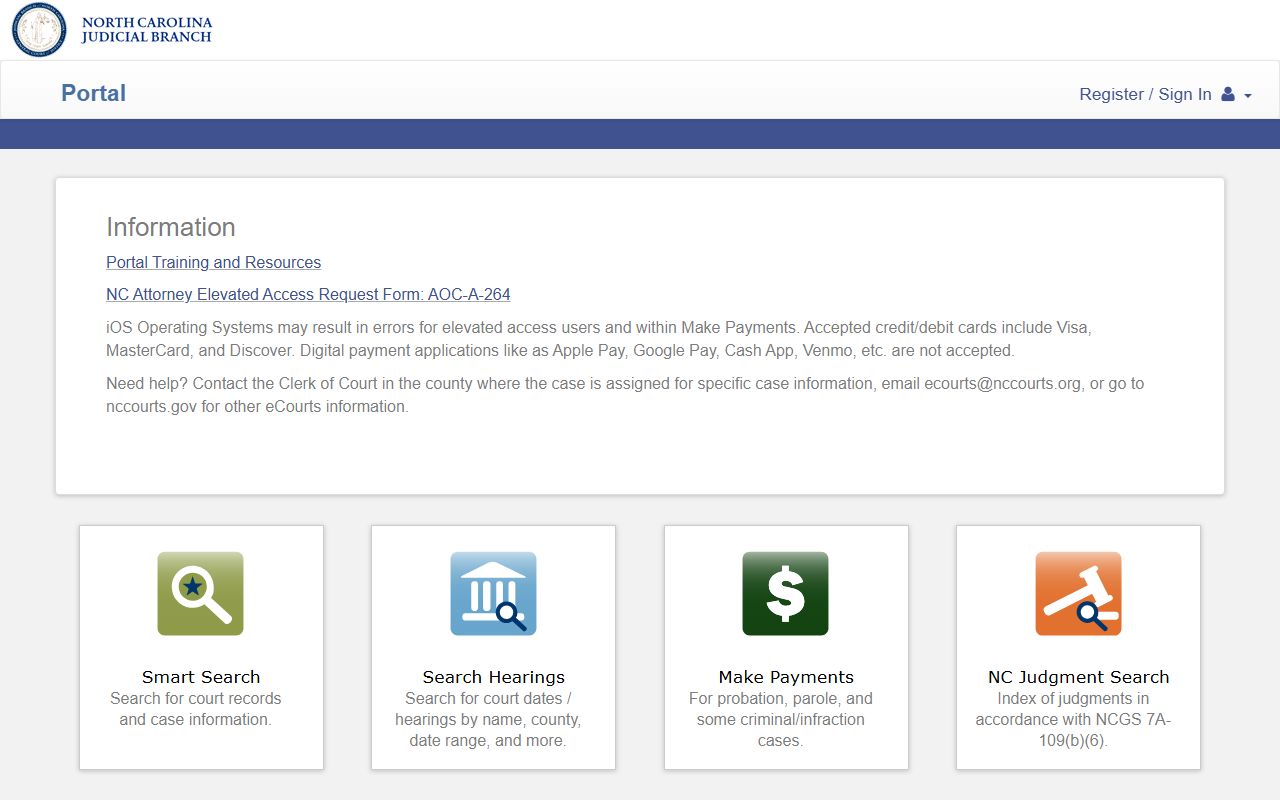
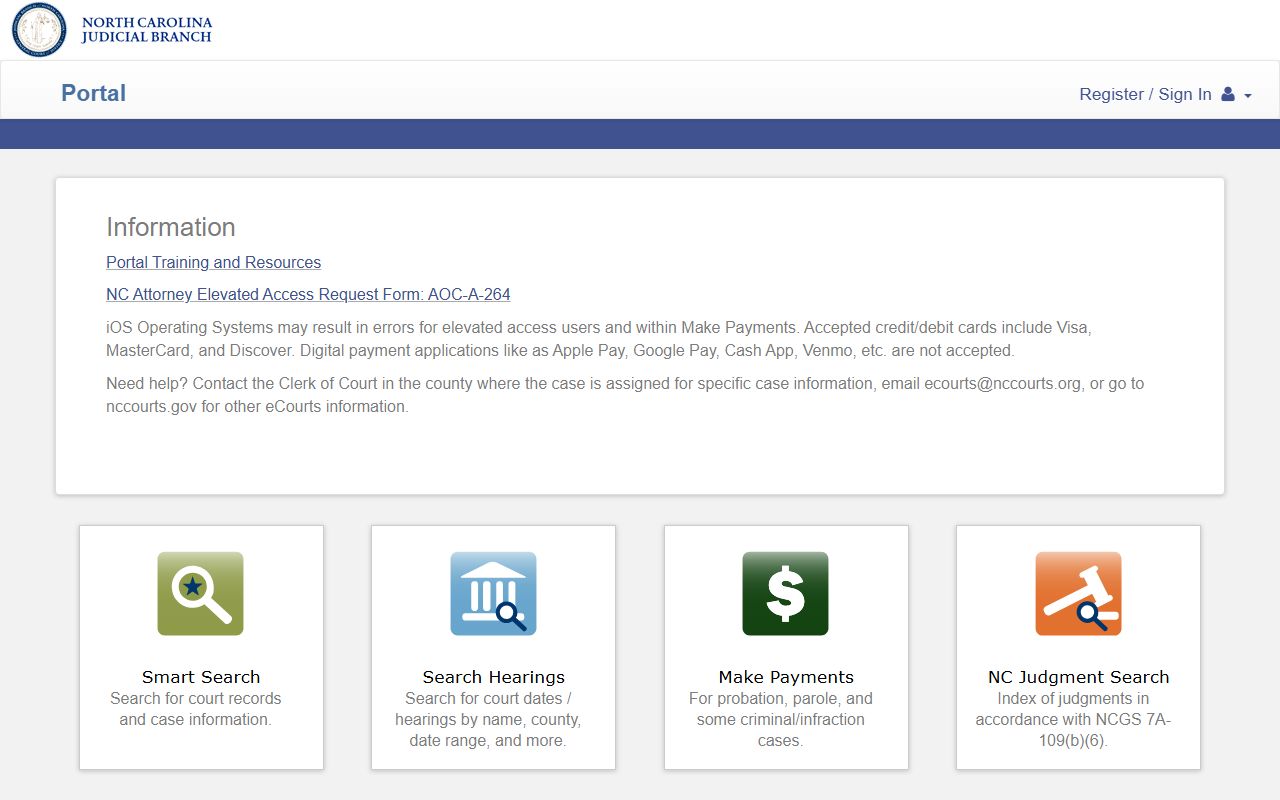
Online, the North Carolina eCourts portal allows you to search court records from any county. Enter a name or case number to find Richmond County cases. The portal shows filing dates, parties, and case status. It is free to use. Full documents may not be available online. For complete records or certified copies from Richmond County, contact the clerk office.
At the courthouse in Rockingham, bring your ID. The clerk can search any family court case on file. You can view the records and request copies. Certified copies cost more than standard ones. The staff can explain what is in a particular file and help you find what you need in Richmond County.
Divorce Filings in Richmond County
Divorce is a frequent family court matter in Richmond County. North Carolina requires one year of separation before filing for absolute divorce. This is set out in N.C.G.S. 50-6. At least one spouse must have lived in the state for six months under N.C.G.S. 50-8.
The divorce complaint is filed at the Richmond County courthouse. The clerk gives the case a number. All documents go into the case file, including the complaint, answer, motions, and final judgment. The judgment of divorce ends the marriage and is a public record. You can get certified copies from the Richmond County clerk for legal purposes.
Claims for equitable distribution under N.C.G.S. 50-20 and alimony must be filed before the divorce is finalized. Once the judgment is entered, those claims are waived in Richmond County.
Note: The final divorce judgment is the document most people need from a Richmond County divorce case.
Child Custody and Support in Richmond County
Custody matters are a key part of family court work in Richmond County. A parent can file for custody during a divorce or on its own. The court always looks at the child's best interest when deciding custody.
Richmond County custody records include the petition, temporary orders, and the final order. Changes to custody can be filed later if things change. Support cases often go with custody. The NC Child Support Services division helps set up and enforce support orders. You can also file support actions directly at the Richmond County court. All records are stored at the clerk office.
Protective Orders in Richmond County
Richmond County family court processes domestic violence protective orders under Chapter 50B. A person harmed by a family or household member can file for a court order of protection. The clerk handles these filings at the Rockingham courthouse.
A judge may issue a temporary order on the day the petition is filed. A hearing is set within ten days. The final order may last up to one year. These case records are kept at the Richmond County clerk office. Some information may be restricted to protect the filing party. The NC courts family law page has forms and instructions for these cases.
Legal Resources for Richmond County
Legal Aid of North Carolina offers free legal help to residents who qualify based on income. They assist with divorce, custody, and protective order matters in Richmond County.
The North Carolina courts website provides self-help forms and guides for people handling their own family court cases. You can download divorce, custody, and support forms. The Richmond County clerk can also direct you to the right forms when you visit the courthouse.
Public Access to Richmond County Records
Family court records in Richmond County are generally public under the NC Public Records Act. Anyone can request to view them. You do not need to be a party to the case to see the records.
Some limits exist. Files involving children may have parts sealed by the court. Domestic violence records may restrict certain personal details for safety reasons. The Richmond County clerk can tell you what is available for any specific case. Most divorce judgments, custody orders, and support records are open to public review.
Nearby Counties
These counties share borders with Richmond County. Make sure you file family court cases in the county where you reside. Check your address to confirm jurisdiction.