
Cabarrus County Court Records Search
Cabarrus County family court records are managed by the Clerk of Superior Court in Concord. The county has a population of about 228,000 and sits just northeast of Charlotte. All divorce, custody, child support, and protective order cases go through the Cabarrus County courthouse. You can search for family court records online or visit the clerk office in person. The court handles thousands of family law cases each year, and records are available to the public in most situations.
Cabarrus County Quick Facts
Cabarrus County Family Court Clerk
The Cabarrus County Clerk of Superior Court is located at 77 Union St S in Concord. This office stores all family court records for the county. Staff handle new filings, maintain case files, and provide copies to the public. The clerk can search records by party name or case number.
Cabarrus County is in Judicial District 19A. The District Court in Concord hears all family law cases. That includes residents of Concord, Kannapolis, Harrisburg, Mount Pleasant, and Midland. Every family court case filed by a Cabarrus County resident goes through this courthouse. The building also houses other court divisions, but family court records are handled by the clerk on the main floor. Hours are weekdays from 8 AM to 5 PM. Call (704) 786-4108 to check hours or ask about a specific record in Cabarrus County.
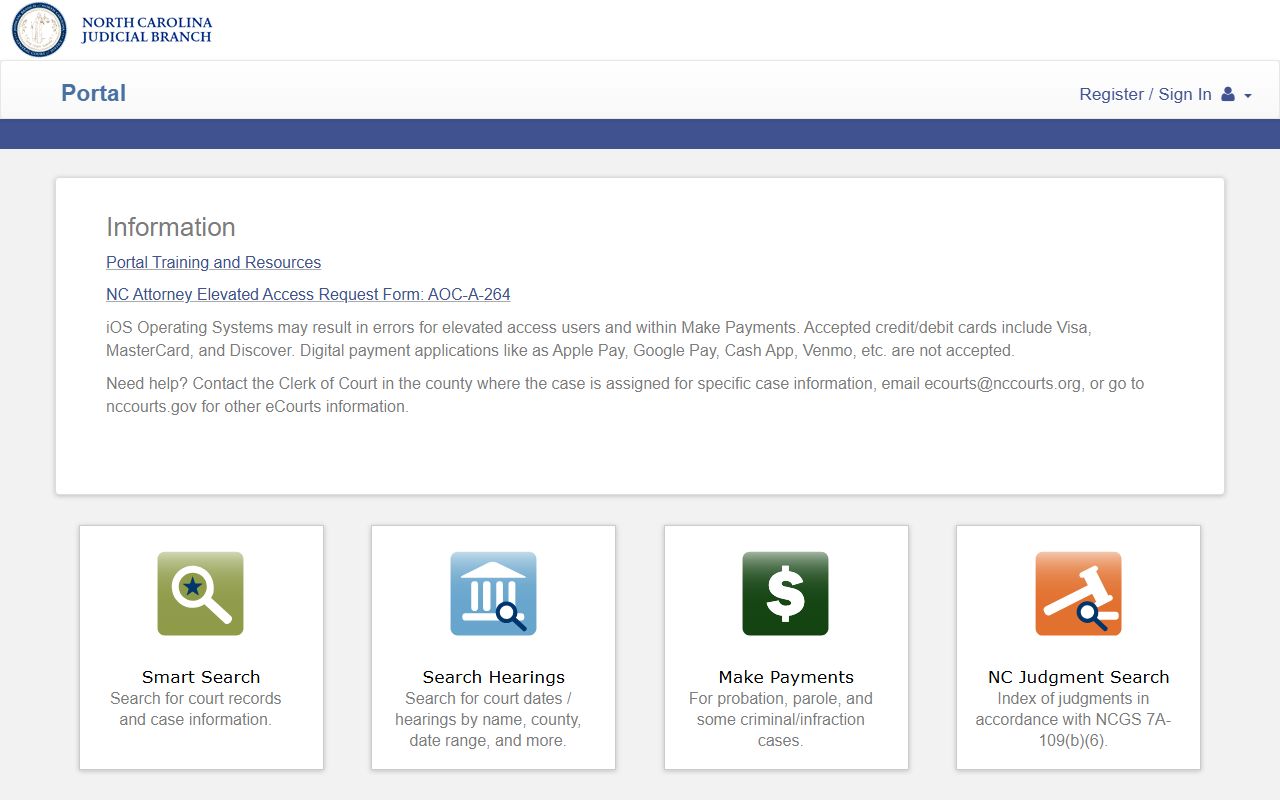
You can also search Cabarrus County family court records through the NC eCourts Portal from any computer with internet access.
| Court |
Cabarrus County Clerk of Superior Court 77 Union St S Concord, NC 28025 Phone: (704) 786-4108 |
|---|---|
| Hours | Monday through Friday, 8:00 AM to 5:00 PM |
| Website | nccourts.gov/locations/cabarrus-county |
Divorce Records in Cabarrus County
Divorce is the most requested type of family court record in Cabarrus County. To file for divorce in North Carolina, you must have lived apart for at least one year under N.C.G.S. 50-6. One spouse needs at least six months of state residency per N.C.G.S. 50-8. Cabarrus County residents file at the Concord courthouse.
The divorce file in Cabarrus County contains the complaint, answer, any motions, and the final judgment. The judgment is what most people need. It proves the marriage ended and is a public record. You can request a plain copy or a certified copy from the clerk. Certified copies carry the court seal and are accepted by other agencies. Many people need a certified copy of their Cabarrus County divorce judgment to change their name, remarry, or update other legal documents.
Property claims under N.C.G.S. 50-20 must be filed before the divorce is final. If you miss this deadline in Cabarrus County, the court cannot divide property or award alimony later.
Note: Cabarrus County divorce records going back decades can be found at the clerk office, though older files may take longer to locate.
Cabarrus County Custody and Support Records
Child custody and child support cases form a large part of the family court caseload in Cabarrus County. Parents who cannot agree on custody file a petition with the court. The judge decides based on the best interest of the child.
Cabarrus County requires custody mediation before a hearing in most cases. Both parents meet with a mediator to try to work out a plan. If they reach an agreement, it becomes a court order. If not, the case goes to trial. All filings, mediation outcomes, and orders are part of the family court record in Cabarrus County. Support orders set a payment amount based on income guidelines. The NC Child Support Services program helps enforce these orders across Cabarrus County and the state.
How to Search Cabarrus County Records
The easiest way to start is the NC eCourts system. It covers all counties in the state. Search by party name or case number to find Cabarrus County family court records. The system is free and shows basic case data like filing date, case type, and parties.
For full documents, visit the Cabarrus County clerk office at 77 Union St S in Concord. Bring the name of at least one party and the approximate year of filing. Staff will search and pull the file for you. You can review it and request copies. Older records may be stored off-site, so call ahead if you need a case from many years ago in Cabarrus County.
Family court records in Cabarrus County are public under the North Carolina Public Records Act. Some limits exist for juvenile cases and sealed records, but most files are open to anyone who asks.
Protective Orders in Cabarrus County
Domestic violence protective orders are a critical part of family court in Cabarrus County. Under Chapter 50B, a person who faces abuse from a household member can ask the court for protection. The petition is filed at the courthouse in Concord. A judge can issue a temporary order the same day. A full hearing happens within ten days.
The NC Courts family law page has details on how protective orders work. Cabarrus County keeps all protective order records in the clerk office. These records show what was alleged, what the court ordered, and how long the order lasts.
Note: Protective order records in Cabarrus County are public, but some details may be redacted to protect the safety of the parties involved.
Family Law Resources in Cabarrus County
Legal Aid of North Carolina offers free help to Cabarrus County residents who meet income guidelines. They can assist with divorce, custody, support, and protective order cases. The NC Courts website provides forms and instructions for people who represent themselves in Cabarrus County family court.
The Cabarrus County courthouse in Concord serves a growing area. With 228,000 residents, the court sees a high volume of family law cases each year. Knowing how to access family court records and where to get help makes the process easier for everyone involved.
North Carolina provides information on obtaining court records that applies to all family court cases in Cabarrus County.
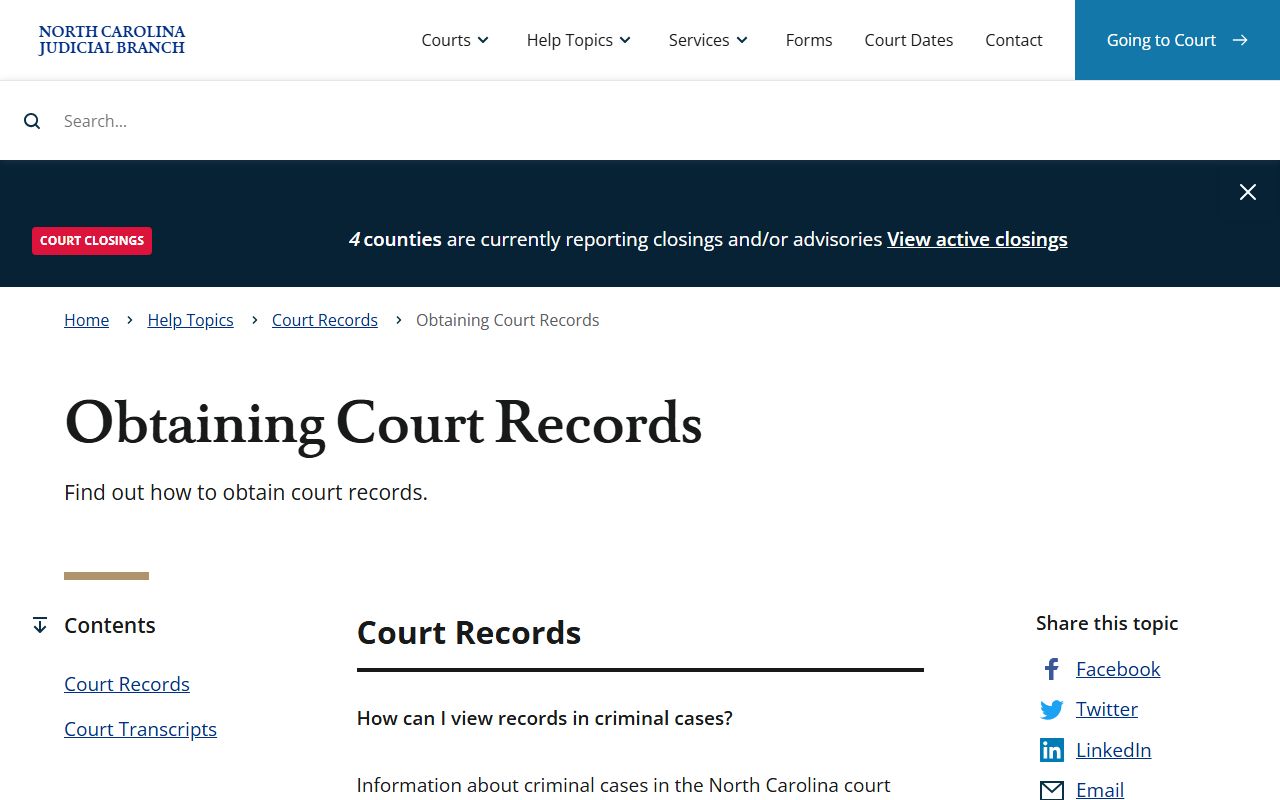
This resource covers what records are available and how to request them from the Cabarrus County clerk.
Nearby Counties
Cabarrus County shares borders with several other counties. Make sure you file family court cases in the county where you live. If you are near a border, confirm your address falls within Cabarrus County before filing.