
Chatham County Family Court Filings
Chatham County family court records are filed and stored at the courthouse in Pittsboro. The Clerk of Superior Court manages all case files for divorce, child custody, child support, alimony, equitable distribution, and domestic violence protective orders. Chatham County has about 76,000 residents and sits in the central part of North Carolina. The county is growing fast, especially in the areas near Raleigh and Durham. You can search family court records online or visit the clerk in Pittsboro to get copies and review files.
Chatham County Quick Facts
Chatham County Clerk of Court
The clerk office sits at 40 E. Chatham St in Pittsboro. All family court records for Chatham County are here. The staff file new cases, store existing records, and help the public find what they need.
Chatham County is part of Judicial District 15B. The District Court in Pittsboro hears all family law matters. This covers residents of Pittsboro, Siler City, Goldston, and the newer developments near the county borders. Every family court case from a Chatham County address goes through this courthouse. The clerk can search by name or case number and provide copies on the spot in most situations. Call (919) 542-3240 before you visit to check hours and make sure the office is open.
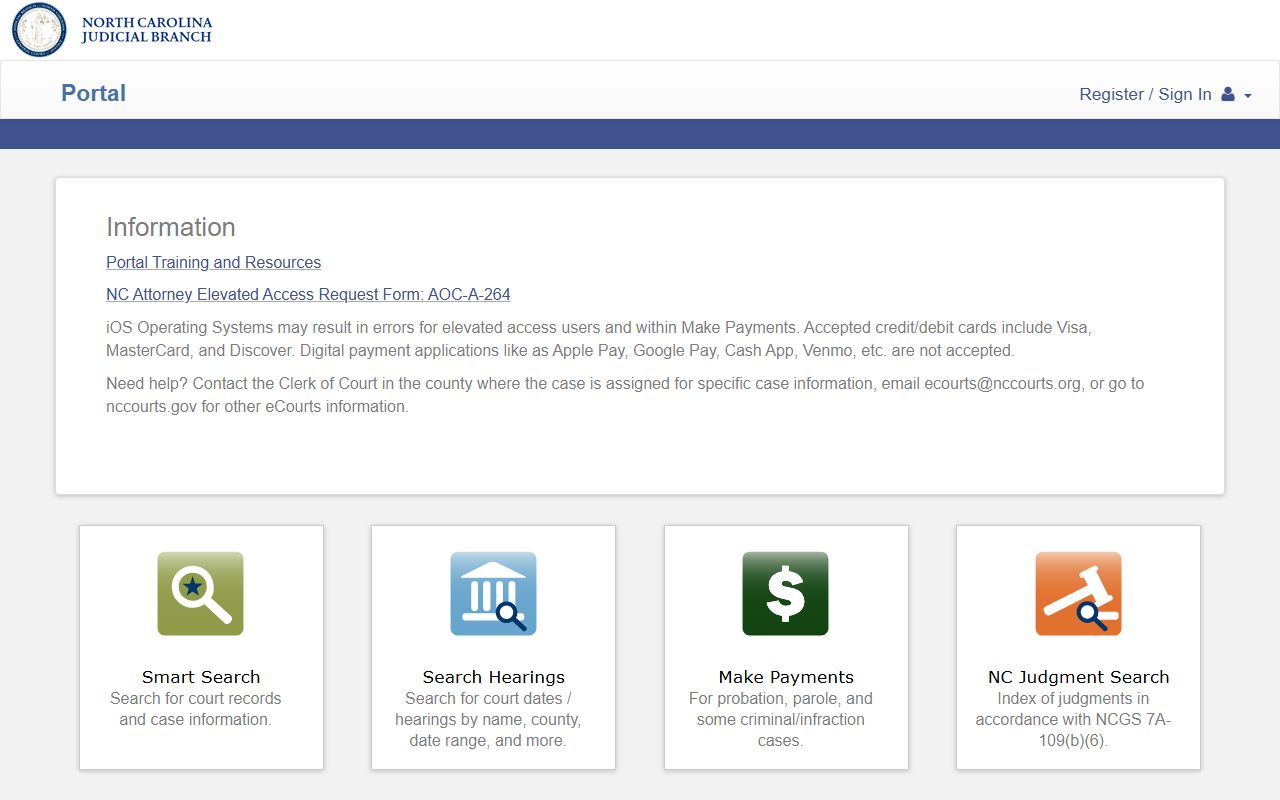
Chatham County family court records are also available for online search through the NC eCourts Portal.
| Court |
Chatham County Clerk of Superior Court 40 E. Chatham St Pittsboro, NC 27312 Phone: (919) 542-3240 |
|---|---|
| Hours | Monday through Friday, 8:00 AM to 5:00 PM |
| Website | nccourts.gov/locations/chatham-county |
Chatham County Divorce Records
Divorce is one of the most frequently requested types of family court record in Chatham County. North Carolina law requires one year of separation before filing under N.C.G.S. 50-6. At least one spouse must have lived in the state for six months under N.C.G.S. 50-8. Chatham County residents file at the courthouse in Pittsboro.
The divorce file contains the complaint, answer, service proof, and the final judgment. The judgment ends the marriage. It is a public record. Certified copies from the Chatham County clerk carry the court seal and are accepted by other agencies for name changes, remarriage, and property transfers. Plain copies cost less and work for personal use.
Under N.C.G.S. 50-20, claims for equitable distribution must be filed before the divorce judgment. This applies to alimony as well. Once the judgment is entered in Chatham County, those claims cannot be raised later.
Custody and Support in Chatham County
Child custody cases are common in Chatham County family court. A parent files a petition, and the court orders mediation. If the parents can agree on a plan, it becomes a court order. When they cannot, a judge makes the call based on the child's best interest.
Chatham County family court records for custody include petitions, mediation reports, temporary orders, and final custody orders. As children grow and life changes, parents can ask the court to modify the order. Each modification request adds to the same case file in Chatham County.
Child support is set by the court based on both parents' income. The NC Child Support Services program helps establish and enforce support orders. Chatham County tracks all support orders and changes in the court record. The county has seen strong population growth, which means more family court cases each year.
Note: Chatham County custody records involving minor children may have some information restricted from public view.
Searching Chatham County Family Court Records
The NC eCourts system is the quickest way to look up Chatham County cases from home. Search by name or case number. The system shows filing dates, case types, and party names at no cost.
For the full case file, visit the clerk at 40 E. Chatham St in Pittsboro. Bring the name of a party and any other details you have. Staff will pull the file and let you look through it. You can order plain or certified copies of any document in the Chatham County family court record.
Family court records are public under N.C.G.S. Chapter 132. Sealed and juvenile records are the main exceptions. Most Chatham County family court records are open to anyone who wants to see them. The NC Courts records guide has details on how to request documents.
Chatham County Protective Orders
Domestic violence protective orders are filed in Chatham County District Court under Chapter 50B. A person facing abuse from a spouse, partner, or household member can petition the court for protection. A temporary order can be issued the same day. The full hearing follows within ten days.
These family court records are stored at the Chatham County clerk office. The file includes the petition, temporary order, and final order. Law enforcement in Chatham County receives copies of all active orders. The NC Courts family law page explains how protective orders work across the state.
Legal Help in Chatham County
Legal Aid of North Carolina offers free legal help to Chatham County residents who qualify. They handle divorce, custody, and other family court matters for low-income individuals and families.
The NC Courts website provides forms and self-help guides. Chatham County is growing, and the courthouse in Pittsboro sees more cases each year. Knowing where to find records and how to get copies can save you time and trips. The clerk staff can walk you through the basics of filing or retrieving family court records in Chatham County.
North Carolina provides centralized information about court services that applies to family court cases filed in Chatham County.
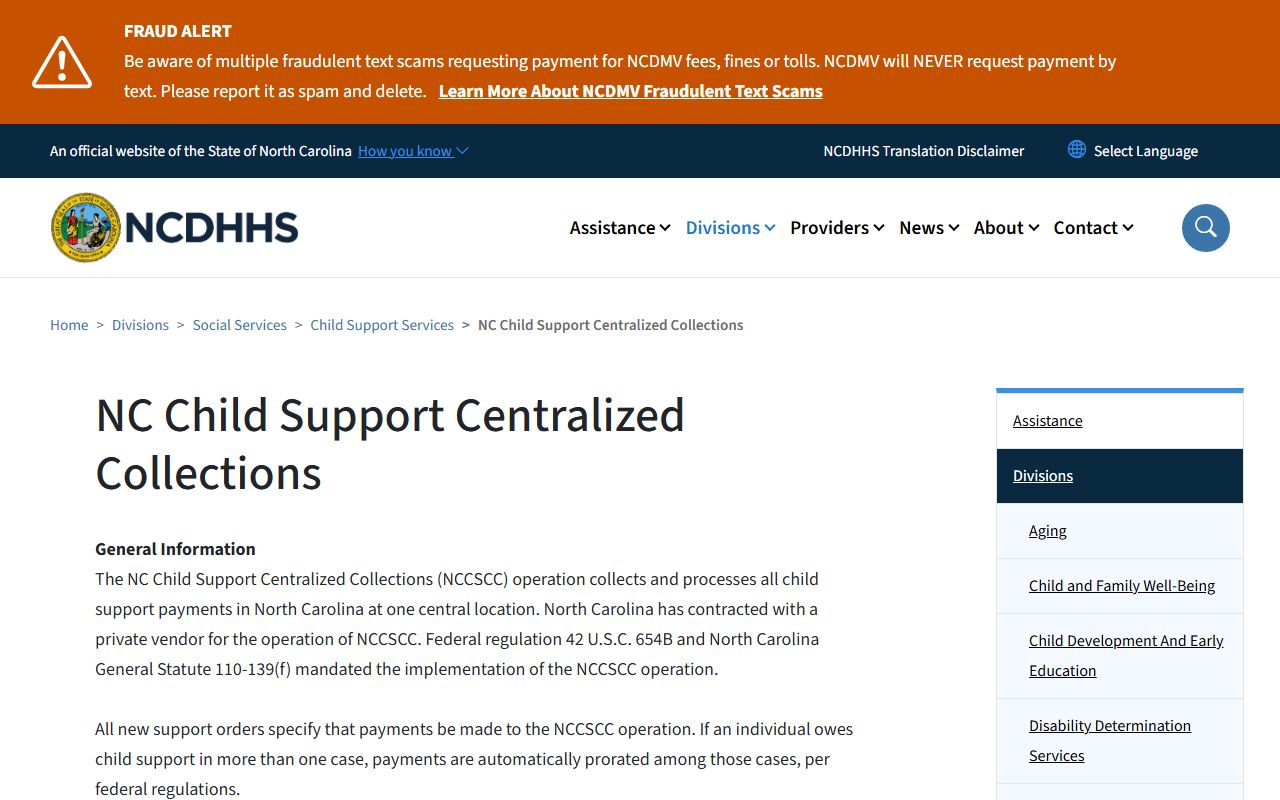
These state resources help Chatham County residents understand the court system and their options.
Nearby Counties
Chatham County borders six other counties. If you live near a county line, verify your address to make sure you file at the right courthouse. Family court jurisdiction depends on where you live.