
Wake County Family Court Records
Wake County family court records are maintained by the Clerk of Superior Court in Raleigh. Wake County is the most populous county in North Carolina with over 1.1 million residents. The clerk of court handles all family law cases filed in Wake County, including divorce, child custody, child support, alimony, equitable distribution, and domestic violence protective orders. The county seat is Raleigh, and the courthouse complex on Fayetteville Street serves the entire county. You can search Wake County family court records online or visit the clerk in person.
Wake County Quick Facts
Wake County Clerk of Superior Court
The Clerk of Superior Court keeps all family court records in Wake County. This office handles case filings, stores court files, and provides copies of orders and judgments. Staff can help you find both old and recent family court cases. The courthouse is in downtown Raleigh.
The Wake County Justice Center serves the entire county from one location. This includes all cities and towns such as Raleigh, Cary, Apex, Holly Springs, Fuquay-Varina, and Wake Forest. All family court cases for residents of Wake County are filed here. The clerk can search family court records and make copies for you. With over 1.1 million residents, Wake County processes a high volume of family law filings each year. The court system handles thousands of divorce cases, custody disputes, and support orders annually.
Call ahead to confirm hours and what you need to bring when visiting the Wake County courthouse.
| Court |
Wake County Clerk of Superior Court Wake County Justice Center 316 Fayetteville St Raleigh, NC 27601 Phone: (919) 792-4000 |
|---|---|
| Hours | Monday through Friday, 8:00 AM to 5:00 PM |
| Website | nccourts.gov/locations/wake-county |
How to Search Wake County Family Court Records
You can search for family court records in Wake County online or in person. The method you choose depends on what you need. Online searches work well for basic case details. In-person visits let you review the full file and get certified copies right away. Both methods give you access to family court records going back many years in Wake County.
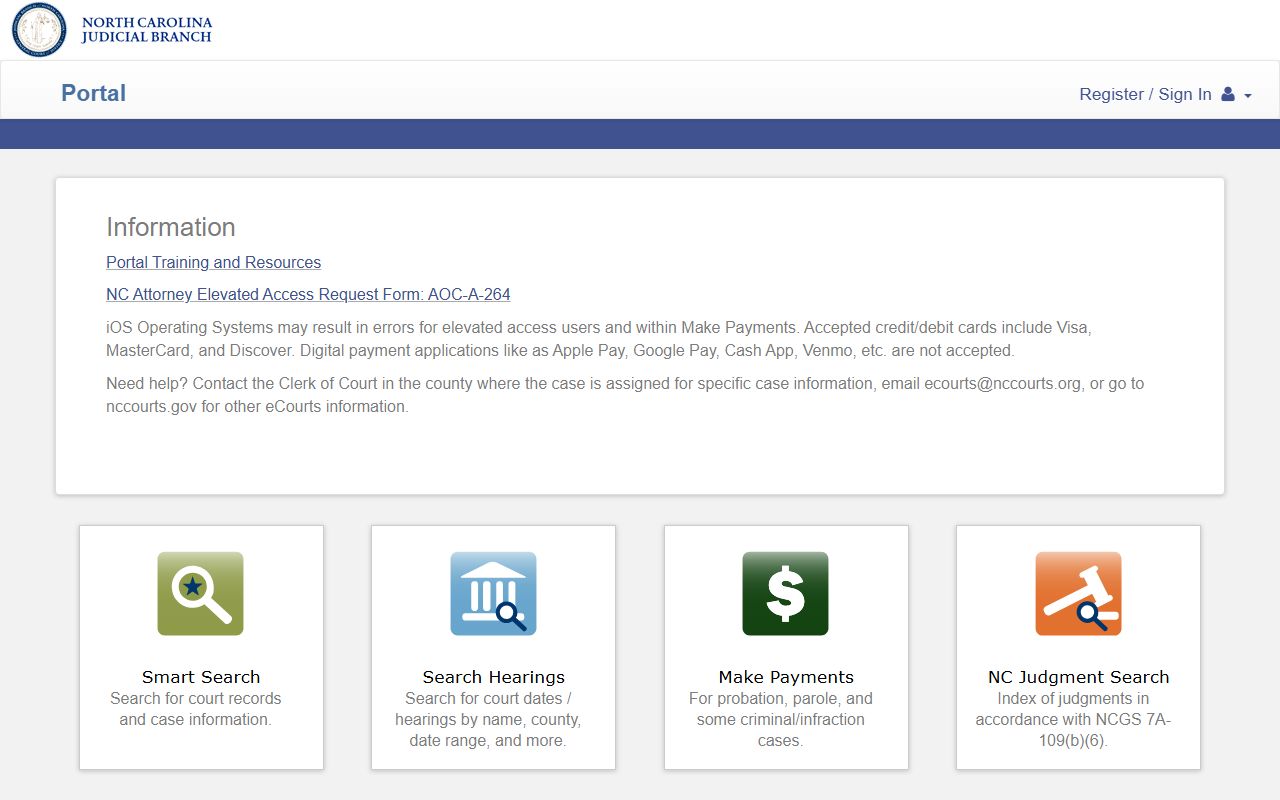
The North Carolina eCourts portal provides access to civil case records across all counties, including Wake County. You can search by party name or case number to find family court cases. The system is free for basic case information. Results show case type, filing date, parties, and case status. For copies of actual documents, contact the Wake County clerk or visit the courthouse. The eCourts system continues to grow with more data being added for Wake County.
To search family court records in Wake County, you need the following:
- Full name of one or both parties
- Year the case was filed if known
- Case number if you have it
- Type of case you are looking for
You can also search in person at the clerk office in Wake County. Go to 316 Fayetteville St in Raleigh. Staff can look up cases and make copies. Bring your ID with you. The clerk can search by name or case number. Older family court records in Wake County may take more time to locate. You can also file a public records request for records at the Wake County clerk office.
The Wake County Superior Court building in downtown Raleigh is where family court cases are heard and records are stored.
Family Court Cases in Wake County
Wake County family court handles a wide range of case types. Each one creates its own set of records at the clerk office in Raleigh. The volume of cases in Wake County is the highest in the state due to its large population.
Divorce cases make up a significant share of family court filings in Wake County. Under N.C.G.S. 50-6, spouses must live apart for one year before filing for absolute divorce. At least one spouse must have been a North Carolina resident for six months under N.C.G.S. 50-8. The complaint, answer, and final judgment all become part of the court file. Wake County divorce records are among the most commonly requested family court documents.
Child custody cases are also very common in Wake County. These records include custody petitions, temporary orders, parenting plans, and modification requests. The court decides custody based on the best interest of the child. With so many families in Wake County, the court handles a high number of custody disputes each year. Custody records are kept at the clerk office alongside other family court files.
Child support cases in Wake County can be filed through the court or through North Carolina Child Support Services. Support orders, payment records, and enforcement actions are part of the family court file. Alimony and post-separation support claims are filed as part of divorce cases or as separate actions. Equitable distribution of marital property under N.C.G.S. 50-20 is another key area of family court in Wake County.
- Divorce complaints and final judgments
- Child custody and visitation orders
- Child support orders and enforcement
- Alimony and post-separation support
- Equitable distribution claims
- Domestic violence protective orders (50B)
Protective Orders in Wake County
Domestic violence protective orders are a critical part of family court in Wake County. These are filed under Chapter 50B of North Carolina law. A person can ask the court for a protective order if they face harm from a family member or household member. The court can grant a temporary order the same day. A full hearing follows within 10 days.
Wake County sees a large number of protective order filings each year. The records include the complaint, any temporary orders, and the final order after the hearing. These records are available from the clerk office. Some details may be sealed to protect the safety of the person who filed. The NC family court system provides information about the protective order process across all counties.
If you need help with a domestic violence case in Wake County, Legal Aid of North Carolina can provide free legal help to those who qualify. Several other organizations in Raleigh also offer assistance with protective orders and safety planning for Wake County residents.
How to Get Wake County Court Records
Family court records in Wake County are public under the North Carolina Public Records Act, N.C.G.S. Chapter 132. Anyone can request to view them. You do not have to be a party to the case. Some records involving children or sealed by court order may have limits on access, but most of the file is open to the public in Wake County.
To get copies, visit the clerk at 316 Fayetteville St in Raleigh. Bring your ID. Tell the clerk what you need. They can search by name or case number. Plain copies and certified copies are both available. Certified copies carry the court seal and are needed for most legal purposes. The clerk charges a fee for all copies. You can also submit requests by mail to the Wake County Clerk of Superior Court. The NC Courts website provides detailed instructions for getting court records from any county.
Note: Certified copies of family court orders from Wake County are often needed for name changes, remarriage, property transfers, and other legal steps.
The North Carolina eCourts system provides online access to family court records across all 100 counties, including Wake County.
Divorce Filing Process in Wake County
Filing for divorce in Wake County follows the process set by North Carolina law. Each step creates records that become part of your case file. The Clerk of Superior Court keeps all these documents at the courthouse.
First, you file a complaint for absolute divorce with the clerk in Wake County. You pay the filing fee at this time. The clerk assigns a case number. Next, you serve your spouse with the divorce papers. You can use the Wake County Sheriff, a private process server, or certified mail with return receipt. Proof of service goes in the court file.
For uncontested cases where both sides agree, the divorce can be finalized fairly quickly after filing. The final judgment of divorce ends the marriage and becomes part of the public record in Wake County. Claims for property division and alimony must be filed before the judgment is entered, or those claims are waived. The NC Courts divorce page has forms and guides for people filing on their own in Wake County.
Wake County Family Law Resources
Several organizations offer help with family court cases in Wake County. Legal Aid of North Carolina serves Wake County through their Raleigh office. They provide free legal help to people with low income. Call the helpline at (866) 219-5262 to ask about help with family court matters in Wake County.
The North Carolina State Bar runs a lawyer referral service at 1-800-662-7660. They can match you with a family law attorney who handles cases in Wake County. The NC Courts services page lists resources for self-represented parties. The Wake County courthouse also has a self-help center that can assist with form selection and filing procedures for family court cases.
Cities in Wake County
Wake County has over 10 municipalities. All of them file family court cases at the Wake County Clerk of Superior Court in Raleigh. The courthouse serves the entire county from one location.
Other municipalities in Wake County include Holly Springs, Fuquay-Varina, Wake Forest, Garner, Knightdale, Morrisville, Wendell, Zebulon, and Rolesville. All of these file family court cases at the Wake County Clerk of Superior Court in Raleigh.
Nearby Counties
These counties border Wake County. If you are not sure which county handles your family court case, check the address where you live. You must file in the right county for the court to have jurisdiction over your case.