
Johnston County Family Court Records
Johnston County family court records are kept at the Clerk of Superior Court in Smithfield. The county has grown fast in recent years. More than 215,000 people now live here. Family court cases in Johnston County cover divorce, child custody, child support, alimony, and domestic violence protective orders. The clerk office stores all filings and court orders from these cases. You can search for family court records in Johnston County online or by visiting the courthouse in person. Records go back many years and are open to the public under North Carolina law.
Johnston County Quick Facts
Johnston County Clerk of Superior Court
The Clerk of Superior Court handles all family court records in Johnston County. This office processes new case filings. It stores court orders and judgments. Staff can help you find records from divorce, custody, and support cases. The courthouse sits in downtown Smithfield on Johnston Street.
Johnston County is part of Judicial District 11. The district court in Smithfield hears most family law matters including child custody, child support, and domestic violence cases. Divorce cases also start here. The clerk assigns each case a file number when it is first filed. You can use that number to track your case or pull records later. Walk-in visits are welcome during business hours at the Johnston County courthouse.
| Court |
Johnston County Clerk of Superior Court 207 E. Johnston St Smithfield, NC 27577 Phone: (919) 989-5100 |
|---|---|
| Hours | Monday through Friday, 8:00 AM to 5:00 PM |
| Website | nccourts.gov/locations/johnston-county |
How to Find Family Court Records
There are two main ways to search family court records in Johnston County. You can go online or visit the clerk office. Online access is free for basic case data. In-person visits let you see the full file and get copies right away.
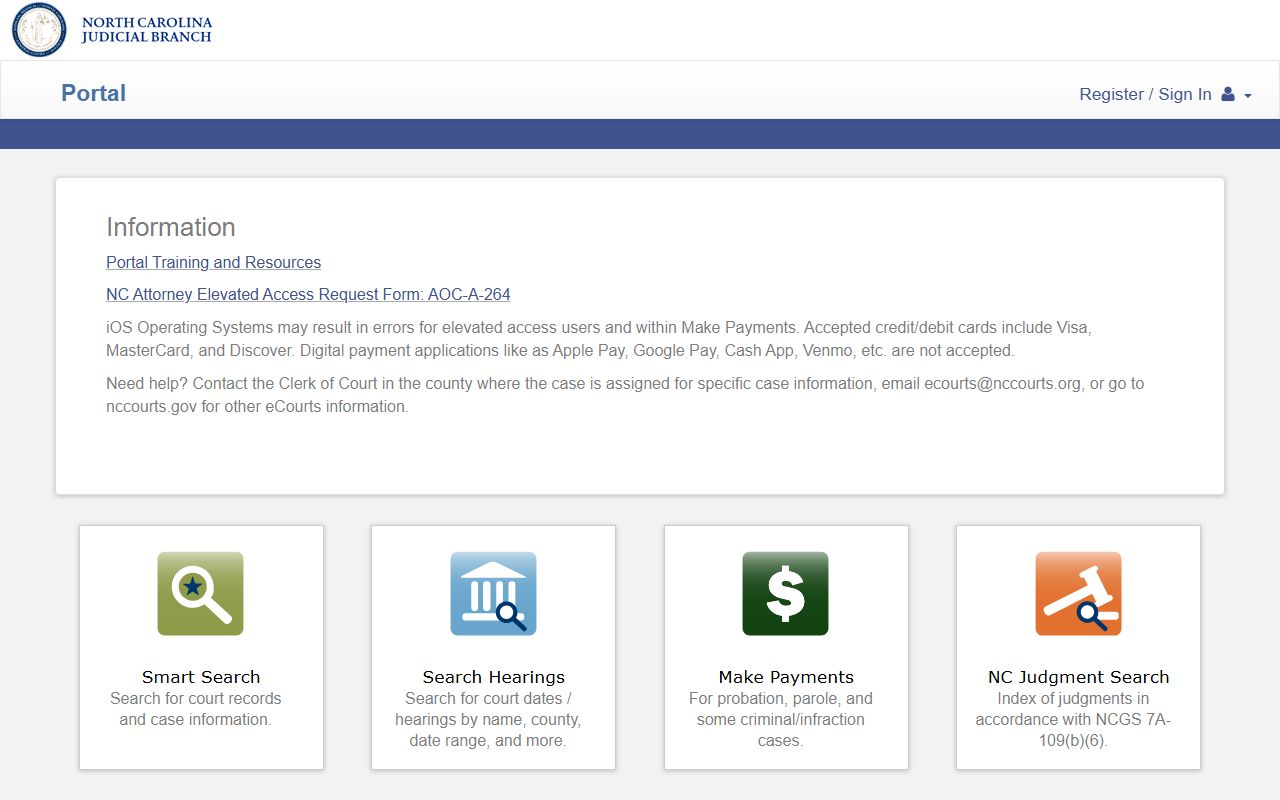
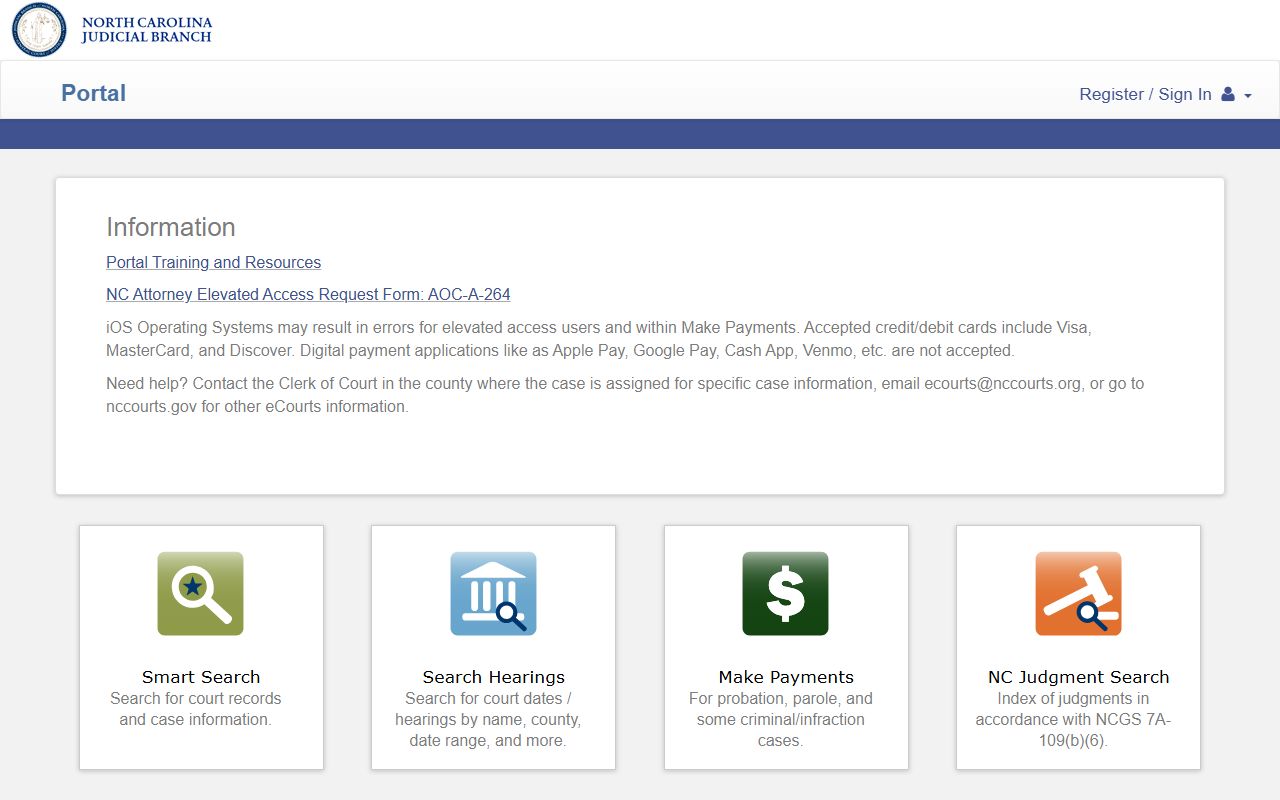
The North Carolina eCourts portal lets you search civil case records across the state. This includes family court cases in Johnston County. Type in a party name or case number to find results. The portal shows filing dates, case status, and hearing schedules. It does not show the full text of court orders. For those documents, you must contact the Johnston County clerk or visit the courthouse in Smithfield. The eCourts system is being updated across the state and now covers Johnston County.
You can also search in person at 207 E. Johnston St in Smithfield. Bring your ID. Staff can look up cases by name or case number. Older family court records may take more time to find.
Note: Some sealed records in family court cases may not be available to the general public in Johnston County.
Johnston County Divorce Records
Divorce is one of the most common family court filings in Johnston County. To file for divorce here, at least one spouse must have lived in North Carolina for six months under N.C.G.S. 50-8. The couple must also have lived apart for one full year before filing under N.C.G.S. 50-6. The complaint is filed at the Johnston County courthouse.
A divorce record in Johnston County includes the complaint, any answer from the other spouse, and the final judgment. Many files also contain separation agreements. These agreements cover property, child custody, and support terms. The final divorce judgment dissolves the marriage. You can get certified copies of these records from the clerk office in Smithfield.
Divorce records in Johnston County are public. Anyone can ask to see them. You do not have to be a party to the case. This right comes from the North Carolina Public Records Act.
Child Custody and Support in Johnston County
Child custody cases make up a large share of family court records in Johnston County. Parents can file for custody whether or not they were ever married. The court looks at the best interest of the child when making custody decisions. Custody orders spell out legal custody and physical custody arrangements. They also set visitation schedules.
Child support cases are handled through both the court and the North Carolina Child Support Services program. The state uses income shares to figure out payment amounts. A child support order becomes part of the family court record in Johnston County. If a parent does not pay, the other parent can file a motion for contempt with the clerk. Support orders can be changed if circumstances shift. You file a motion to modify with the Johnston County court.
Note: Custody and support orders from Johnston County can be enforced in other states through the Uniform Child Custody Jurisdiction and Enforcement Act.
Domestic Violence and Alimony Records
Domestic violence protective orders are filed under Chapter 50B in Johnston County. These are emergency orders. A person can ask for one without the other party present. The court then holds a hearing within ten days. If the judge grants the order, it becomes part of the family court record. These records are public in most cases.
Alimony claims are another type of family court filing in Johnston County. A spouse may ask for support payments during or after a divorce. The court looks at factors like length of the marriage, income of each spouse, and marital misconduct. Alimony orders are kept in the case file at the Johnston County clerk office. Property division claims under N.C.G.S. 50-20 are also part of the family court record. These must be filed before the divorce judgment is entered.
Family Court Legal Help in Johnston County
Several groups can help with family court matters in Johnston County. Legal Aid of North Carolina serves low-income residents. They help with divorce, custody, and protective order cases. Call their helpline to see if you qualify for free legal help in Johnston County.
The North Carolina Judicial Branch website has court forms for divorce and family law cases. These forms work in Johnston County. The site also has guides for people who represent themselves in family court. The obtaining court records page explains how to request copies of family court records from any county in the state.
Nearby Counties
These counties border Johnston County. If you are not sure which county handles your family court case, check the address where you live. You must file in the right county for the court to have jurisdiction.